Create Smarter
Pricing Digital Products for Long-Term Revenue
Learn how to price digital products for long-term revenue. Discover pricing strategies, profitability principles, customer value insights, and how creators can build sustainable income from digital products.
Creating a digital product is exciting.
Pricing it is where most creators get stuck.
Too high and people may not buy.
Too low and you leave money on the table.
Some creators spend weeks building an ebook, course, template, membership, or digital toolkit only to launch it at a price that barely reflects the value inside.
Others copy competitors without understanding why those products are priced the way they are.
Many simply guess.
The result is predictable.
A product may generate sales but fail to generate meaningful income.
Or worse, it may become difficult to maintain, update, market, and grow because the economics were broken from the beginning.
The reality is that pricing is not just a sales decision.
It is a business decision.
The price of a digital product affects:
Profitability
Customer expectations
Marketing strategy
Brand positioning
Cash flow
Future product expansion
Long-term sustainability
And in the creator economy, sustainability matters more than a successful launch week.
Because the goal is not simply to make money once.
The goal is to create products that continue generating revenue months and years after launch.
That requires a different approach to pricing.
One built around long-term revenue rather than short-term sales.
Why Most Creators Underprice Their Digital Products
One of the most common mistakes in the creator economy is pricing based on fear.
Fear of rejection.
Fear of negative feedback.
Fear that nobody will buy.
Fear that the audience is not ready.
Fear that charging more feels greedy.
As a result, creators often ask:
"What is the lowest price people might accept?"
Instead of:
"What price reflects the value being delivered?"
This mindset creates problems immediately.
Because when products are priced too low:
Revenue becomes dependent on volume
Marketing costs become harder to recover
Support becomes less profitable
Growth becomes slower
Future expansion becomes difficult
Many creators end up trapped in a cycle where they need more customers simply to generate reasonable income.
And volume is often much harder to scale than value.
The Biggest Pricing Myth in the Creator Economy
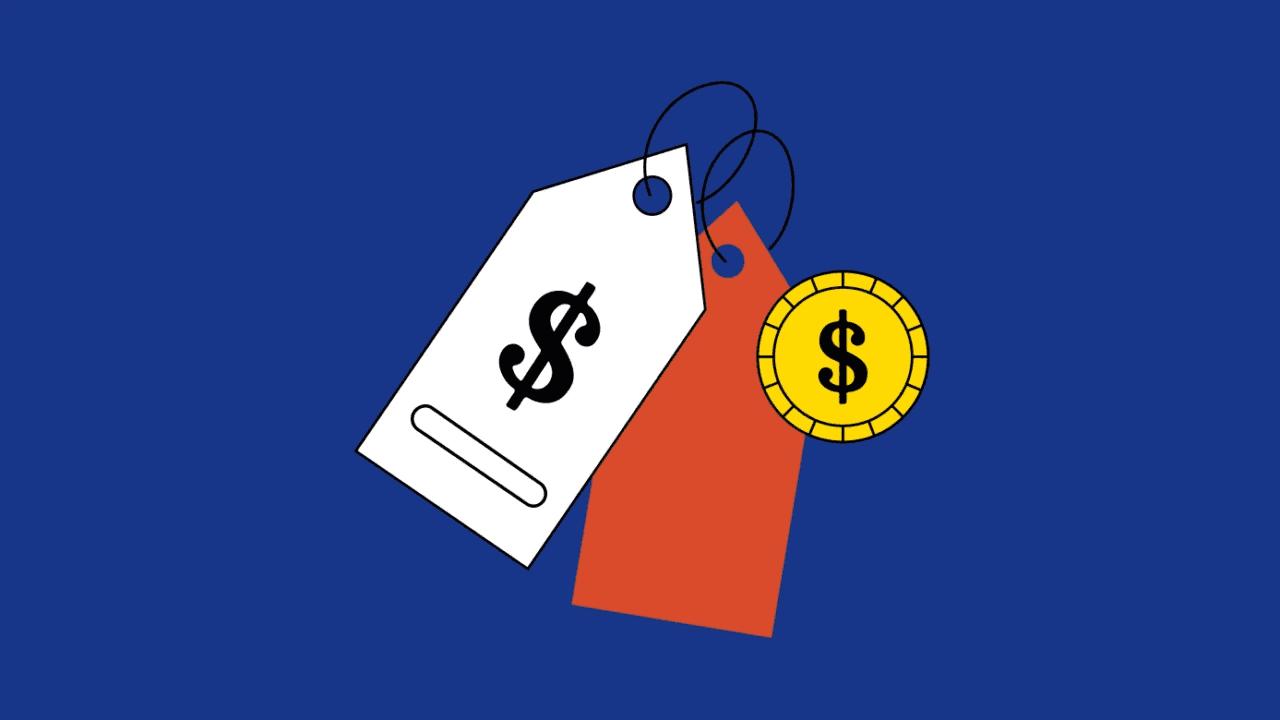
Many creators believe lower prices automatically generate more sales.
But pricing is rarely that simple.
Customers do not evaluate price in isolation.
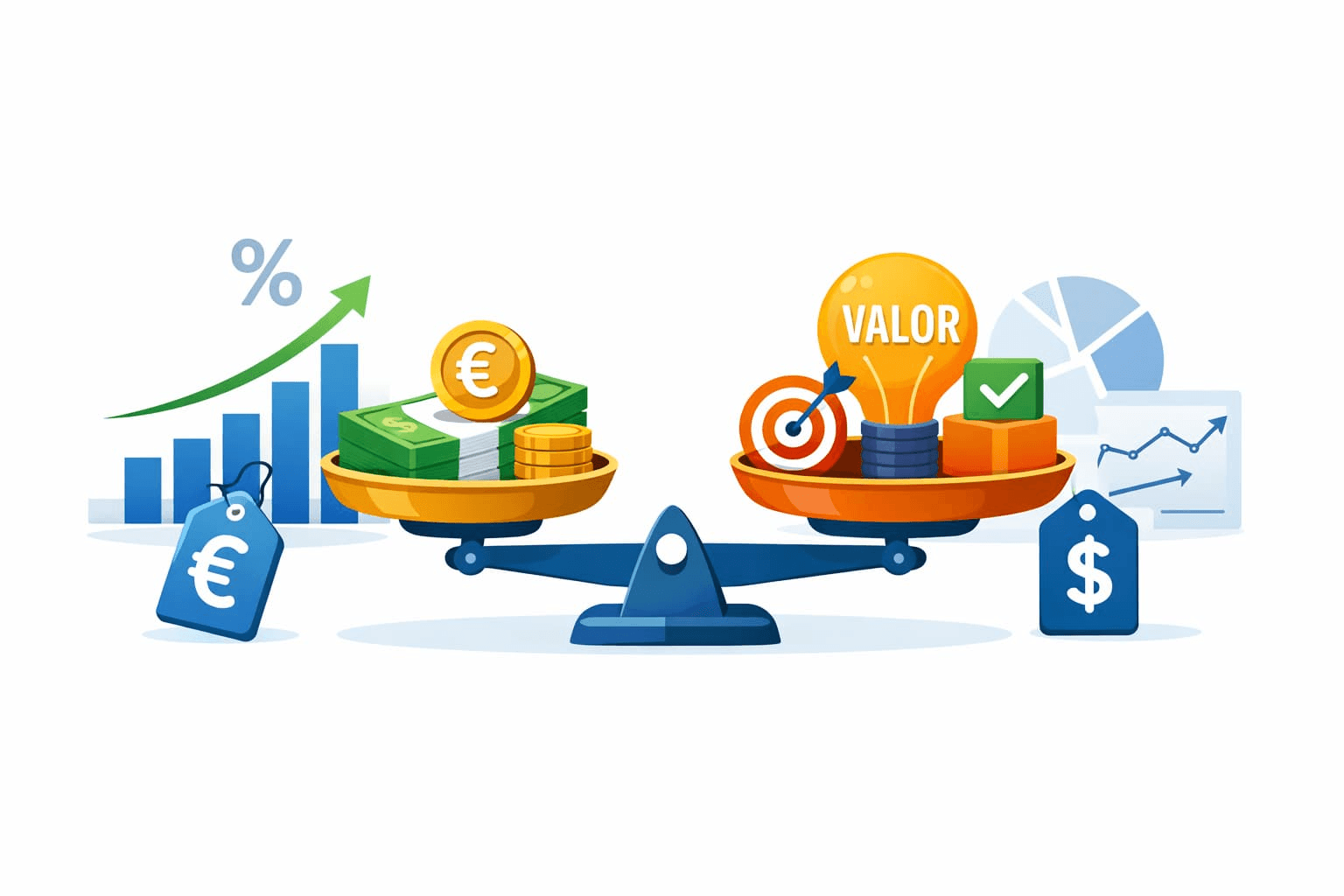
They evaluate value.
Consider two digital courses.
One costs ₦15,000.
Another costs ₦80,000.
If the second course clearly solves a larger problem, delivers better outcomes, and offers a stronger learning experience, many customers will willingly choose the higher-priced option.
People buy outcomes.
Not file sizes.
Not video lengths.
Not page counts.
The question is not:
"How much content is included?"
The question is:
"What transformation does this product create?"
The greater the transformation, the greater the pricing power.
What Determines the Value of a Digital Product?
Creators often underestimate what customers are actually paying for.
They assume value comes from information.
In reality, information alone is rarely valuable.
The internet contains endless free information.
Customers pay for:
Organization
Clarity
Convenience
Expertise
Time savings
Execution frameworks
Proven systems
Access to experience
Confidence
Reduced risk
The best digital products do not simply provide information.
They shorten the path between a problem and a solution.
That is what creates value.
And value creates pricing flexibility.
Why Pricing Should Start With Outcomes
A useful way to think about pricing is to focus on outcomes rather than inputs.
Many creators price based on effort:
"I spent six months creating this."
"It contains fifty lessons."
"It includes one hundred templates."
But customers are not purchasing your effort.
They are purchasing the result.
For example:
A template helping freelancers win clients may generate thousands of naira in new revenue.
A financial planning guide may help creators avoid costly mistakes.
A course teaching audience growth may increase earning potential significantly.
In each case, the value comes from the outcome created, not the hours spent building the product.
This is why outcome-based pricing often creates stronger long-term businesses.

The Problem With Competing on Price
Many creators enter crowded markets and immediately lower prices to stand out.
At first this seems logical.
Lower prices appear more attractive.
But competing on price creates several long-term risks.
Lower margins.
Higher customer acquisition pressure.
Reduced profitability.
Limited ability to improve the product.
Difficulty hiring support.
Difficulty investing in growth.
The creator becomes trapped in a race to the bottom.
Meanwhile creators charging premium prices often have more resources to:
Improve quality
Increase support
Invest in marketing
Expand product offerings
Build stronger customer experiences
Pricing should strengthen your business, not weaken it.
Understanding Different Pricing Models
Not all digital products should be priced the same way.
Different products create value differently.
One-Time Purchase Pricing
This is the most common model.
Customers pay once and receive access permanently.
Examples include:
Ebooks
Templates
Guides
Toolkits
Mini-courses
This model provides immediate revenue but requires continuous customer acquisition for growth.
Subscription Pricing
Customers pay recurring fees for continued access.
Examples include:
Communities
Memberships
Research libraries
Premium newsletters
Resource hubs
The strength of subscription pricing lies in predictability.
Instead of relying on one-time purchases, creators build recurring revenue.
Tiered Pricing
Different customer groups receive different pricing options.
For example:
Basic Plan
Professional Plan
Premium Plan
This allows creators to serve multiple customer segments simultaneously.
Beginners can choose lower-cost options.
Advanced customers can pay more for additional value.
Bundle Pricing
Several products are combined into one offer.
Bundles often increase average order value because customers perceive greater value.
For creators selling multiple products, bundles can significantly improve revenue without increasing acquisition costs.
Why Customer Segmentation Matters
Not every customer has the same needs.
A beginner and an experienced professional rarely seek the same outcomes.
Yet many creators use one price for everyone.
This leaves revenue opportunities untapped.
Consider a creator teaching content marketing.
A beginner may happily purchase a ₦15,000 guide.
An agency owner may happily purchase a ₦150,000 advanced system.
Different customers.
Different value.
Different pricing potential.
Understanding customer segments allows creators to capture more value while serving audiences more effectively.
Pricing for Lifetime Customer Value
One of the smartest ways to price digital products is to think beyond the first sale.
Many creators optimize for immediate revenue.
The best creator businesses optimize for customer lifetime value.
For example:
A customer purchases a template.
Later buys a course.
Joins a membership.
Purchases consulting.
Attends an event.
One customer generates revenue multiple times.
This changes how pricing decisions are made.
Sometimes a lower-priced entry product can create significant long-term value because it introduces customers into a broader ecosystem.
The goal becomes relationship building rather than transaction maximization.
The Hidden Costs Creators Forget to Price In
Many creators calculate prices without considering business realities.
They focus only on sales.
Not operations.
Digital products may involve:
Software costs
Platform fees
Marketing expenses
Payment processing charges
Customer support
Content updates
Community management
Taxes
Collaborator payments
Design costs
Production costs
These expenses directly affect profitability.
Ignoring them often creates misleading pricing decisions.
A product generating revenue is not automatically profitable.
Profitability requires understanding the full cost structure behind the business.
Why Your Pricing Must Support Future Growth
Every pricing decision shapes future opportunities.
If margins are too small:
Hiring becomes difficult.
Product improvements become difficult.
Advertising becomes difficult.
Team expansion becomes difficult.
Creators often underestimate how much growth requires reinvestment.
The strongest pricing strategies create room for:
Innovation
Support
Expansion
Improvement
Experimentation
Without healthy margins, growth eventually slows.
How Successful Creators Increase Prices
Many creators fear raising prices.
Yet some of the most successful creator businesses raise prices regularly.
Not arbitrarily.
Strategically.
As value increases.
As results improve.
As demand grows.
As expertise deepens.
Price increases signal confidence and maturity.
When handled properly, they can strengthen positioning while improving profitability.
The key is ensuring the product continues delivering meaningful value.
Why Revenue Tracking Matters More Than Sales Numbers
Pricing decisions should not rely on assumptions.
They should rely on data.
Creators need visibility into:
Sales performance
Revenue sources
Customer behavior
Product profitability
Purchase patterns
Income trends
Without tracking, pricing becomes guesswork.
With visibility, creators can identify:
Which products perform best
Which offers deserve expansion
Which products need repositioning
Which pricing structures generate sustainable growth
The best pricing decisions come from financial clarity rather than intuition alone.
Building a Product Ecosystem Instead of a Single Product
Long-term revenue rarely comes from one digital product.
It comes from ecosystems.
A creator may build:
A free resource
A low-ticket guide
A premium course
A membership community
Advanced consulting
Each product serves a different stage of the customer journey.
Pricing becomes more strategic because every product supports a larger system.
Instead of relying on one launch, creators build multiple revenue pathways.
This creates greater stability and resilience.
The Most Important Pricing Question
Before setting any price, ask:
"What financial outcome should this product create for the business over the next three years?"
Not next week.
Not next month.
Three years.
This changes everything.
It shifts focus away from short-term sales anxiety toward long-term sustainability.
Because the strongest creator businesses are not built on underpriced products.
They are built on products designed to support growth, profitability, and continued value creation over time.
Final Thoughts
Pricing digital products is not about finding a magical number.
It is about creating an economic model that supports both the customer and the creator.
The right price allows customers to receive meaningful value while allowing creators to:
Maintain quality
Improve products
Invest in growth
Build sustainable revenue
And continue serving their audience over the long term.
Creators who price strategically understand that revenue is not generated by products alone.
It is generated by systems.
Systems that connect value creation, customer outcomes, financial visibility, and sustainable growth.
Because ultimately, the goal is not just to sell a digital product.
The goal is to build a business that continues generating value and revenue long after launch day.
Creating a profitable digital product is only part of the equation. Understanding how that product contributes to your overall revenue system is what drives long-term growth.
With Endow, creators can sell digital products, track income across multiple revenue streams, monitor performance, and build the financial visibility needed to make smarter business decisions.
Turn your digital products into a sustainable revenue engine with Endow.
Start building a smarter creator finance system with Endow
Related Content