Money Made Simple
May 11, 2026
How to Create an Emergency Fund as a Freelancer or Creator
One of the biggest misconceptions about freelancing and the creator economy is that financial success is simply about earning more.
One of the biggest misconceptions about freelancing and the creator economy is that financial success is simply about earning more.
It is not.
Plenty of freelancers and creators earn well.
Some have strong months.
Consistent client work.
Reliable digital product sales.
On the surface, everything looks stable.
Yet many still feel financially vulnerable.
Why?
Because income and financial security are not the same thing.
You can earn impressive revenue and still feel one delayed payment away from stress.
You can have a strong month and still feel uncertain about next month.
You can be growing and still feel financially exposed.
This is the reality of variable income.
And it is exactly why building an emergency fund for freelancers is not optional.
It is one of the most important financial systems independent workers can build.
For freelancers and creators, emergency funds are not simply savings accounts.
They are stability systems.
They protect your business when income becomes unpredictable.
They create breathing room during slow periods.
They help you avoid panic-driven decisions.
And they allow you to build sustainably instead of constantly reacting to financial pressure.
The challenge is that many creators know they need an emergency fund but struggle to actually build one.
The reasons are understandable.
Income is inconsistent.
Revenue can fluctuate.
Unexpected expenses appear.
And when money comes in, growth often feels more urgent than saving.
But building an emergency fund does not require perfect income.
It requires structure.
This guide breaks down exactly how to create an emergency fund as a freelancer or creator, how much you should save, and how to build one without slowing your growth.

Why Freelancers and Creators Need Emergency Funds More Than Traditional Employees
Emergency funds matter for everyone.
But for freelancers and creators, they matter differently.
Traditional employees usually operate with predictable income.
Salaries arrive consistently.
Budgeting is easier.
Financial planning is more straightforward.
Freelancers and creators operate in a different reality.
Income can fluctuate dramatically.
A strong month can be followed by a weak one.
Client payments may arrive late.
Brand campaigns can be postponed.
Affiliate income can drop.
Platform algorithms can shift.
Launches may underperform.
This unpredictability makes financial reserves essential.
Without them, even temporary disruptions can create serious pressure.
The Hidden Risks of Variable Income
The risk is not always dramatic financial collapse.
Often, it shows up as smaller but damaging patterns.
Accepting underpriced work because cash is tight.
Rushing product launches before they are ready.
Avoiding strategic investments because money feels uncertain.
Taking on too many projects to compensate for unpredictability.
These decisions often happen under pressure.
An emergency fund reduces that pressure.
It creates financial space.
And financial space improves decision-making.
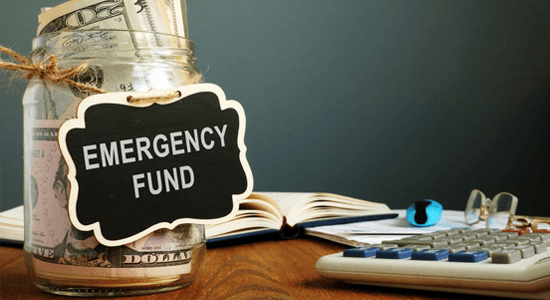
What an Emergency Fund Actually Is
Many freelancers confuse emergency funds with general savings.
They are not the same.
A general savings account might exist for:
Travel
Equipment upgrades
Courses
Business investments
Personal goals
An emergency fund has one purpose:
Protection.
It exists to absorb unexpected disruption.
It is money reserved specifically for financial instability.
That distinction matters.
Because if emergency savings are constantly used for optional expenses, they lose their protective function.
What Counts as an Emergency?
This is important to define early.
A creator emergency typically includes:
Unexpected income drops
Delayed major client payments
Critical equipment replacement
Urgent personal expenses affecting work continuity
Temporary platform instability
Unexpected business disruptions
It does not include:
Impulse purchases
Non-essential upgrades
Optional software
Planned investments
Discretionary spending
Clear rules protect the fund.
Without them, savings disappear quickly.
How Much Should Freelancers Save?
This is one of the most common questions.
There is no universal number.
The right amount depends on:
Income volatility
Business expenses
Personal obligations
Revenue diversity
That said, most freelancers should work toward saving between three and six months of essential expenses.
The best approach is to build progressively.
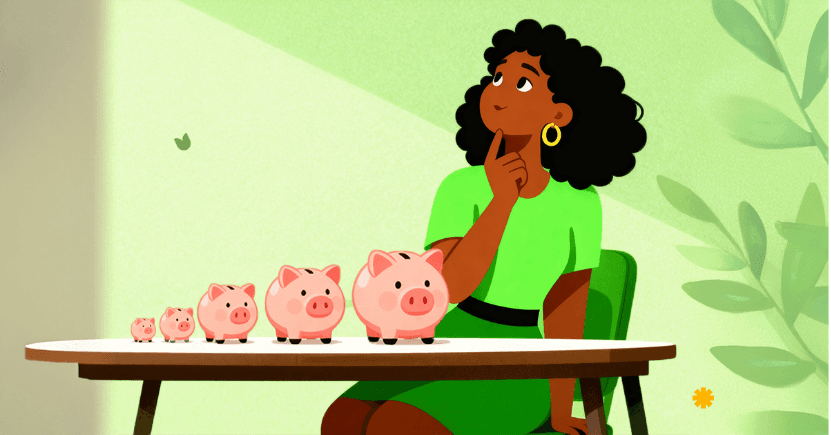
Stage 1: One Month of Essential Expenses
This is your first milestone.
It protects against short-term disruptions like:
Delayed invoices
Weak project months
Unexpected small expenses
This creates immediate breathing room.
Stage 2: Three Months
This is where meaningful stability begins.
Three months allows freelancers to navigate:
Slower work periods
Payment delays
Temporary client loss
Without financial panic.
For many creators, this is the minimum healthy target.
Stage 3: Six Months
This creates significant resilience.
It allows room for:
Strategic pivots
Extended slow periods
Major business transitions
Calculated risk-taking
If your income is highly unpredictable, this should be the long-term goal.
Step 1: Calculate Your Financial Baseline
Before saving, you need clarity.
You cannot build an effective emergency fund without knowing your minimum monthly financial requirement.
This includes essential living and business costs.
Examples:
Rent
Food
Internet
Utilities
Transportation
Software subscriptions
Business tools
Contractor payments
Debt obligations
Insurance
Exclude optional spending.
The goal is your operational floor.
This number tells you what your emergency fund must protect.
For example:
If your essential monthly costs total ₦450,000
Then:
1 month reserve = ₦450,000
3 months reserve = ₦1,350,000
6 months reserve = ₦2,700,000
Now the target becomes clear.
Step 2: Save Based on Percentage, Not Guesswork
This is where many freelancers fail.
They save randomly.
Whatever is left after spending.
This usually leads to inconsistency.
A better system is percentage-based saving.
Allocate a fixed percentage of every payment.
Examples:
5% if you are just starting
10% once income becomes more stable
15–20% during strong earning periods
This creates consistency.
And consistency builds reserves.
Why Percentages Work Better
Freelancer income fluctuates.
Saving fixed amounts often feels unrealistic.
Percentage-based saving scales naturally.
High-income month?
Savings increase.
Lower-income month?
The system remains manageable.
This flexibility makes it sustainable.
Step 3: Separate Emergency Savings Completely
This is critical.
Do not mix emergency savings with daily operating funds.
It should live separately.
Why?
Because visibility changes behavior.
When emergency money sits alongside everyday spending, it becomes psychologically easier to use.
A separate reserve creates friction.
And that friction protects the fund.
Step 4: Automate Whenever Possible
Automation removes emotional decision-making.
The moment income arrives, a portion should move into reserves.
This prevents the common pattern of:
“I’ll save whatever is left.”
Usually, very little is left.
Automating first makes saving structural.
Not optional.
Step 5: Use Windfalls Strategically
Freelancers often experience income spikes.
A strong launch.
A large client payment.
Unexpected bonus revenue.
These moments are powerful emergency fund opportunities.
Instead of absorbing all surplus into lifestyle upgrades or business spending, allocate part of it directly to reserves.
For example:
30–50% of unusually strong income months
This accelerates growth significantly.
The Biggest Mistakes Freelancers Make
Understanding what to avoid is just as important.
Waiting for Stable Income
Many freelancers think:
“I’ll build my emergency fund once income becomes more predictable.”
This delays action indefinitely.
Emergency funds help create stability.
They are not a reward for already having it.
Treating Savings as Optional
If saving depends entirely on mood or leftover money, it rarely happens consistently.
Emergency funds need systems.
Rebuilding Slowly After Withdrawal
Sometimes emergencies happen.
That is the purpose of the fund.
But many freelancers fail to prioritize rebuilding afterward.
Recovery should begin immediately.
Using It for Growth Investments
This is a common trap.
A new camera.
A course.
Marketing experiments.
Even if these are valuable, emergency funds are not investment capital.
They are protection capital.
The Psychological Benefits of an Emergency Fund
This goes beyond money.
Financial reserves change how freelancers operate.
Better Pricing Confidence
When immediate cash pressure is lower, freelancers negotiate better.
They are less likely to underprice out of urgency.
Improved Decision-Making
Financial stress narrows perspective.
Emergency funds create mental bandwidth for strategic thinking.
Reduced Creative Burnout
Constant financial uncertainty drains energy.
Protection restores focus.
Greater Long-Term Thinking
Freelancers with reserves can prioritize sustainability over survival.
This changes everything.
Why Revenue Visibility Makes Emergency Saving Easier
Building an emergency fund requires clarity.
You need visibility into:
Income patterns
Revenue consistency
Expense trends
Cash flow timing
Without this, saving feels random.
This is why financial tracking is so important.
Freelancers who clearly understand how money moves through their business save more effectively.
Because they can plan intentionally.
Emergency Funds Are Really About Control
At its core, an emergency fund is not just money.
It is control.
Control over your decisions.
Control over your timeline.
Control over your ability to say no.
In freelance and creator work, where unpredictability is normal, this control is invaluable.
It turns uncertainty into something manageable.
Final Thought
Freelancing and creator work offer freedom.
But freedom without financial stability often creates stress.
An emergency fund is one of the most practical ways to protect that freedom.
It gives your business resilience.
It improves decision-making.
It reduces pressure.
And it creates the financial breathing room needed to grow intentionally.
The most sustainable freelancers are not always the highest earners.
They are often the ones who built systems that protect them when income fluctuates.
And an emergency fund is one of the most important systems you can build.
Building an emergency fund starts with understanding your income clearly.
Track what you earn, monitor your cash flow, and build financial systems that make saving consistent.
👉 Use Endow to track creator income and build financial stability
Related Content