Creator Economy
Jan 27, 2026
VAT Rules Every Creator Should Know
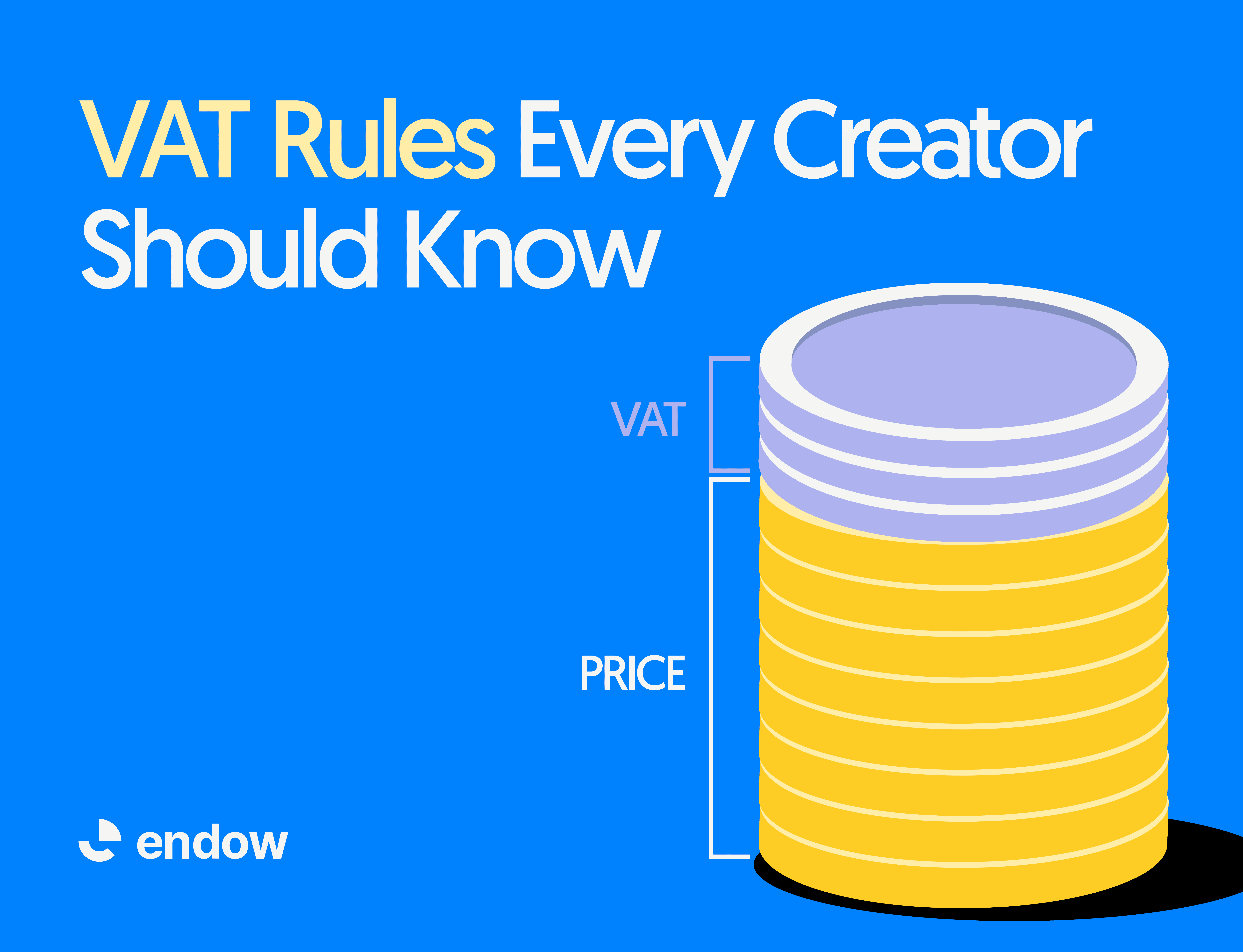
Value Added Tax (VAT) is a tax added to the sale of goods and services. It is ultimately paid by the end customer but collected and remitted to the tax authority by the seller.
For creators who earn real money in 2026, understanding VAT isn’t optional. It’s a business survival skill.
You might have heard about VAT (Value Added Tax), and maybe you think it only applies to big companies or stores. That is the myth. In many countries, including Nigeria and other African economies, creators who sell products, services, or digital content may be required to collect and remit VAT when their income crosses certain thresholds.
Ignore VAT rules and you risk:
unexpected tax liabilities
penalties and interest charges
frozen accounts or registration issues
mispricing your work
This article breaks down VAT in a creator context. It explains:
what VAT is
who must register
how to charge and remit VAT
how to calculate it
practical examples for creators
common pitfalls
how Endow helps you stay compliant
Let’s unpack this clearly, without confusion.
What Is VAT?
Value Added Tax (VAT) is a tax added to the sale of goods and services. It is ultimately paid by the end customer but collected and remitted to the tax authority by the seller.
Think of VAT as a tax on consumption. When someone buys your digital product, pays for access, or purchases a service from you, VAT may apply.
VAT is different from income tax:
Income tax is on your profits
VAT is on revenue from sales
VAT is charged on gross value and must be passed on to the government, not kept as part of your revenue.
In a creator’s world, VAT might apply when you:
sell digital products like courses, e-books, templates
provide paid services (consulting, coaching)
run paid workshops or training
sell tickets for events
sell merchandise
charge for subscription access
Why Creators Need to Understand VAT
Creators often sell without realizing a VAT obligation exists.
Many common mistakes include:
assuming VAT does not apply because “I am informal”
pricing products without VAT, then facing a tax bill later
forgetting VAT on cross-border digital sales
missing deadlines and paying penalties
If you earn above a VAT threshold and do not register, tax authorities can assess tax retroactively, apply fines, and create compliance headaches.
Understanding VAT helps you:
price products correctly
stay compliant
protect profits
plan finances
avoid surprises at tax time
In many countries, creators are treated like any other business when it comes to VAT.
VAT in Nigeria: What Creators Should Know
In Nigeria, VAT is governed by the Federal Inland Revenue Service (FIRS).
When Does VAT Apply?
Creators have to consider VAT when:
selling taxable goods or services
supplying digital products or services
earning above the VAT registration threshold
As of 2024, Nigeria’s standard VAT rate is 7.5% on taxable supplies of goods and services. Some items are exempt or zero-rated, but most digital services fall under standard VAT.1
Registration for VAT is required if:
your turnover from taxable supplies exceeds the statutory threshold (this threshold can change with policy updates)
you make sales in Nigeria subject to VAT
Whether you operate as a sole proprietor, limited company, or partnership, the VAT rules apply once you cross the revenue threshold.
What Counts as Taxable Supply for Creators?
Taxable supplies include, but are not limited to:
digital course sales
paid newsletters
coaching and consulting fees
memberships
event tickets
merchandise
Some digital services may be treated differently depending on how they are delivered (locally or cross-border).
VAT Registration
If your taxable supplies exceed the VAT threshold, you must register for a VAT number with FIRS.
Registration triggers these responsibilities:
VAT charge on applicable sales
issuing valid tax invoices
filing VAT returns periodically
remitting collected VAT to FIRS
Failure to register or collect VAT on time can result in penalties.
Issuing Tax Invoices
Once registered:
every sale you make that attracts VAT must include a VAT invoice
the invoice should state the VAT amount separately
customers must see what portion is value and what portion is VAT
This transparency protects you and your customers.
VAT in Other African Countries (General Overview)
VAT is widely used across African countries, though rates and rules vary.
Here’s a snapshot of common patterns:
Kenya
Standard VAT rate: around 16%
Applies to digital services sold within the country
Registration mandatory above a turnover threshold
South Africa
Standard VAT rate: 15%
Includes digital services; threshold for registration applies
Non-resident suppliers can be required to register if supplying taxable digital services to South African consumers
Ghana
Standard VAT rate: 12.5%
Digital services can attract VAT when consumed locally
Uganda
Standard VAT rate: 18%
Electronic services may require VAT registration
The specific rules vary, but the principle is similar:
VAT applies on taxable supplies
VAT must be collected and remitted
Thresholds determine when registration is required
Always check the local tax authority for exact rates, thresholds, and filing schedules.
Cross-Border Digital Sales and VAT
One of the trickiest areas for creators is selling digital products or services across borders.
Different countries treat these transactions differently.
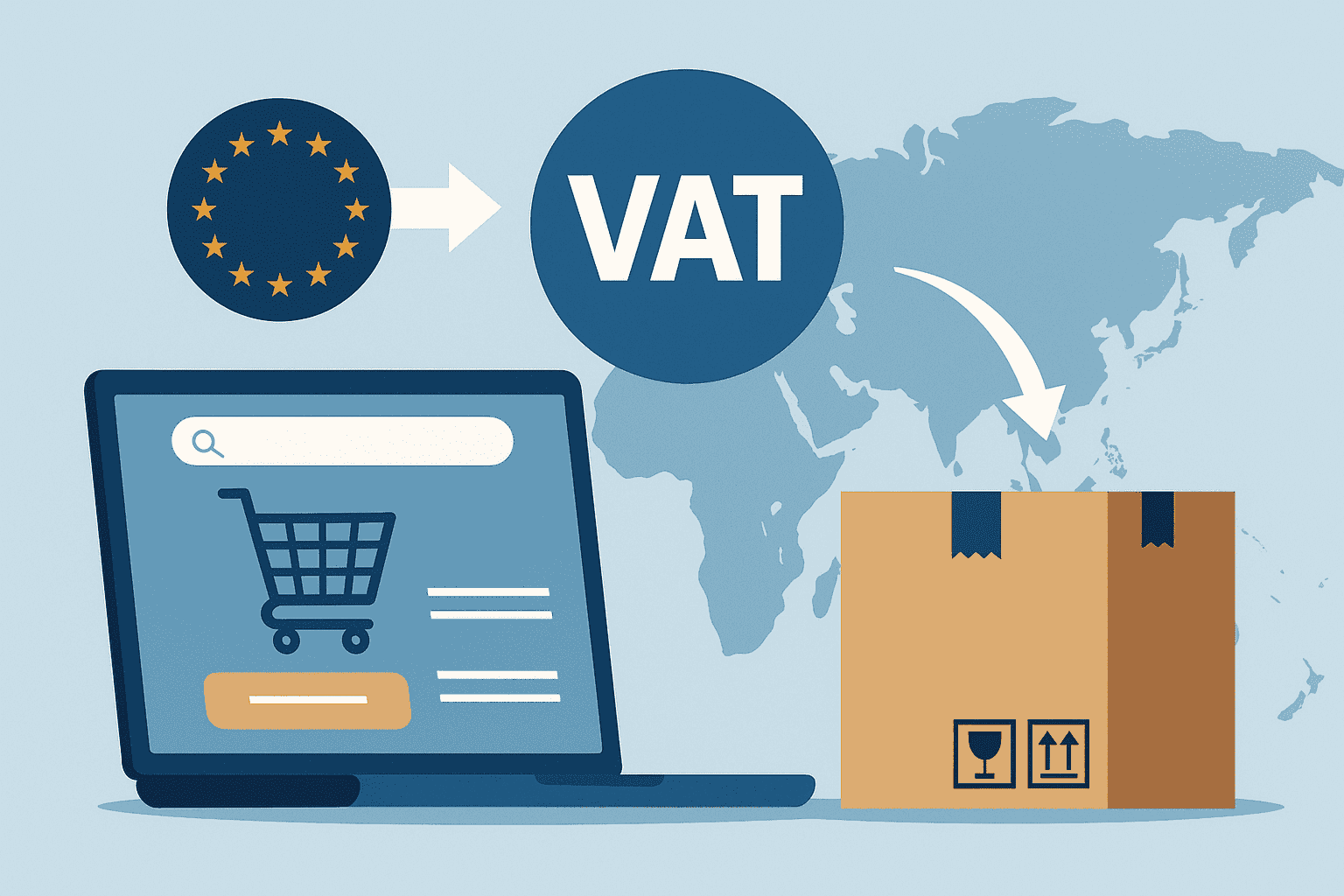
Some countries require VAT (or a digital services tax) on digital supplies to local consumers, even if the seller is not resident in that country. This means you might have VAT obligations in:
the customer’s country
your own country of residence
countries where your platform collects payments
Example:
If you sell a digital course to a customer in South Africa, South African VAT could apply even if you live in Nigeria.
Many countries now require global digital sellers to register for VAT or equivalent taxes in their market.
VAT on cross-border digital sales can be complicated because:
each country has its rules
thresholds differ
some require local representation
VAT registration can be required without a local physical presence
For African creators selling internationally, this is important. Many global platforms (like Apple, Google, and marketplaces) handle VAT on your behalf, but direct sales through your own site may require separate compliance.
How to Know If You Must Register for VAT
Creators should register for VAT if any of the following applies in their jurisdiction:
Your taxable turnover exceeds the legal threshold
You make digital supplies to local consumers that attract VAT
Your country requires non-resident suppliers to register for VAT on digital sales
To determine this clearly:
Identify which revenue is taxable under local law
Total your taxable turnover over the registration period
Check the statutory VAT threshold
Register with the tax authority before crossing the threshold
If you are unsure, consult a tax advisor or inquire at the local tax authority. VAT compliance is a legal obligation, and penalties can be significant.
How to Calculate VAT as a Creator
Calculating VAT is simple in principle but must be done carefully.
Step 1: Identify the VAT Rate
Check the current applicable rate in your country.
Examples:
Nigeria: 7.5%
Kenya: 16%
South Africa: 15%
Ghana: 12.5%
Uganda: 18%
Step 2: Decide Whether Your Price Is VAT Inclusive or Exclusive
VAT Exclusive
Listed price does not include VAT. You add VAT at checkout.
Example:
Product price: ₦10,000
VAT 7.5%: ₦750
Total charged: ₦10,750
VAT Inclusive
Price already includes VAT. You back out the VAT.
Example:
Total price: ₦10,000
Divide by 1.075 → Base price ₦9,302.33
VAT (7.5%) → ₦697.67
Knowing whether your prices include VAT or not is essential for transparency and compliance.
Step 3: Collect VAT at Point of Sale
Once registered, you must collect VAT on taxable sales. Customers must see:
the base price
the VAT amount
the total amount charged
Step 4: Remit VAT to the Tax Authority
After collecting VAT, you must file returns on schedule:
monthly
quarterly
annually
This depends on local regulations.
You remit the VAT you collected, minus any allowable credits (where applicable).
Common VAT Mistakes Creators Should Avoid
Understanding VAT rules is half the battle. Avoid these common mistakes:
Mistake 1: Not Registering When Required
This leads to penalties and backdated assessments.
Mistake 2: Charging VAT Without Clear Invoicing
Customers need transparency. Tax authorities need documentation.
Mistake 3: Forgetting VAT on Digital Products
Digital goods are taxable in many jurisdictions.
Mistake 4: Confusing VAT With Income Tax
VAT is not yours. You collect it for the government.
Mistake 5: Ignoring Cross-Border VAT Rules
Selling internationally may trigger VAT obligations abroad.
Mistake 6: Not Tracking VAT Separately
Creators who mix VAT with revenue cannot plan cash flow properly.
Practical VAT Record Keeping for Creators
Good VAT compliance starts with solid record keeping.
You should track:
sales invoices with VAT details
dates of transactions
VAT collected per sale
VAT paid on inputs (where credit is allowed)
total taxable turnover
VAT returns filed
payments remitted
Records must be backed up and organized because tax authorities can audit past periods.
VAT and Pricing: What Every Creator Should Do
When selling products or services that attract VAT:
Decide if your prices are VAT inclusive or exclusive: This affects how customers perceive pricing.
Reflect VAT in checkout flows: Customers should see what they pay for the product and what they pay for VAT.
Adjust your net revenue expectations: VAT is collected on behalf of the government. It is not part of your income.
Build VAT into your financial plans: Set aside VAT amounts so you are not cash-flow surprised.
For creators earning through Endow, categorizing revenue and VAT becomes easier because the system shows the taxable portion of your income clearly.
How Endow Helps Creators Manage VAT
Endow is not a tax authority, but it does give creators tools that make VAT compliance easier:
Centralized Revenue Dashboard
All income streams flow into one place with clear tags.
Tax Category Tracking
You can categorize revenue by whether it attracts VAT or not.
Separation of VAT Funds
Endow helps you visualize how much VAT you’ve collected so you can set it aside.
Exportable Reports
When you prepare VAT returns, you have clean records to hand over to accountants or tax officials.
Multi-Currency Awareness
For creators earning in multiple currencies, Endow shows each revenue source and lets you plan VAT implications accordingly.
👉 Start with Endow
Final Thoughts
VAT rules can look intimidating, but they are a common part of being a serious creator business in 2026. VAT is not a penalty. It is a compliance requirement tied to how governments pay for public services. When you understand it, you avoid risks and price your work smarter.
Creators who stay ahead of VAT:
build pricing that covers tax obligations
protect their cash flow
avoid penalties
sustain long-term growth
If you want clarity and control over your creator income and tax obligations, start with visibility.
Endow helps you see your revenue clearly, track taxable sales, and plan for VAT with confidence.
Related Content