Money Made Simple
Jan 26, 2026
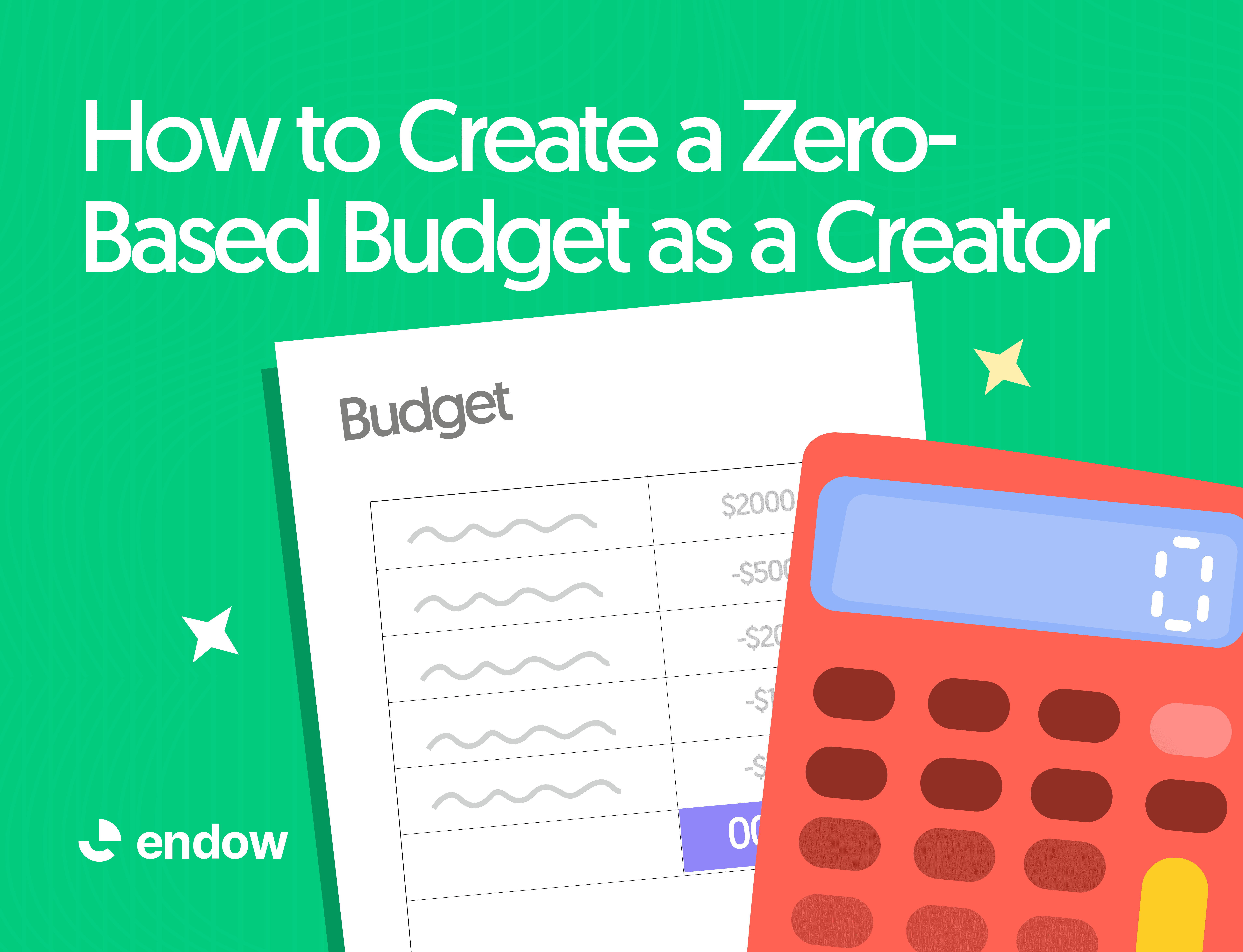
How to Create a Zero-Based Budget as a Creator
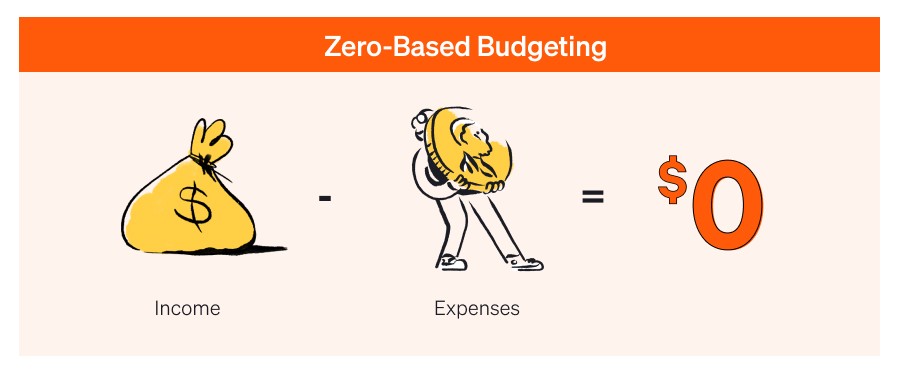
In a zero-based budget: Income minus expenses equals zero Savings, taxes, investments, and buffers are treated as expenses Nothing is “left over” by accident
For most creators, budgeting feels like a punishment.
Money comes in irregularly.
Income changes month to month.
Platforms pay late.
Brands delay transfers.
Some months feel abundant. Others feel like survival.
So creators either avoid budgeting entirely or follow traditional advice that simply doesn’t fit how the creator economy works.
Zero-based budgeting changes that.
Not by restricting you, but by giving every naira, dollar, or euro a job before it disappears.
This guide breaks down exactly how creators can build and run a zero-based budget, even with inconsistent income, multiple revenue streams, collaborators, and fluctuating expenses.
What Is Zero-Based Budgeting (In Plain Terms)?
Zero-based budgeting means:
Every unit of income you receive is assigned a purpose until your balance reaches zero.
That doesn’t mean you spend everything.
It means you decide what happens to your money before your money decides for you.
In a zero-based budget:
Income minus expenses equals zero
Savings, taxes, investments, and buffers are treated as expenses
Nothing is “left over” by accident
Every amount has a name.
Every category has intention.
Why Zero-Based Budgeting Is Perfect for Creators
Traditional budgeting assumes:
Fixed salary
Predictable monthly income
Few income sources
Clear employer deductions
Creators live in the opposite reality.
Creators deal with:
Irregular income
Multiple platforms
Delayed payouts
Revenue splits
High upfront costs
Sudden slow months
Zero-based budgeting works for creators because it:
Adapts to fluctuating income
Works per payout, not per month
Helps you plan before you earn again
Makes slow months less stressful
Prevents accidental overspending in high months
It is control without rigidity.
The Core Principle Creators Must Understand First
Before building your budget, you need this mindset shift:
You do not budget what you hope to earn.
You budget what has already arrived.
Creators often budget future income. That creates anxiety when payments delay or projections fail.
Zero-based budgeting starts only when money lands.
Every payout triggers a budgeting decision.
This is critical.
Step 1: Identify All Creator Income Streams
Before assigning money, you need visibility.
Creators rarely earn from one source. List every income stream, even small ones.
Examples:
Platform payouts (YouTube, TikTok, Substack)
Brand deals
Affiliate commissions
Digital products
Courses and workshops
Consulting
Community memberships
Tips and donations
Speaking engagements
Revenue shares
Why this matters:
Different income streams behave differently
Some are recurring, others seasonal
Some require collaborators
Some are taxable immediately
Zero-based budgeting requires income clarity before allocation.
Step 2: Separate Business Money From Personal Money
This step is non-negotiable.
If your creator income and personal spending live in the same place, zero-based budgeting will fail.
You need:
A creator business account
A personal spending account
Clear rules for transfers between them
Why?
Your creator income is not all yours to spend
Taxes, collaborators, tools, and reinvestment come first
Personal spending should be intentional, not accidental
Endow is designed to sit at this exact intersection, where creator income lands first, before it is split or spent.
Step 3: Define Your Budget Categories (Creator Edition)
Zero-based budgets fail when categories are vague.
Creators need categories that reflect how they actually operate.
Here’s a creator-specific framework:
1. Taxes
This is not optional.
Treat taxes as a bill you pay to your future self.
Many creators set aside:
20–30% depending on country and income structure
2. Operating Costs
These are the costs required to earn again:
Internet
Software subscriptions
Equipment
Hosting
Editing tools
Marketing tools
3. Team and Collaborators
Money that is not yours:
Editors
Designers
Writers
Co-creators
Revenue shares
This should be separated early to avoid spending it accidentally.
4. Reinvestment
Growth money:
Ads
Better equipment
Skill development
Courses
Experiments
5. Personal Pay
What you actually take home.
This is your salary, not what is left over.
6. Financial Buffer
Your safety net:
Emergency fund
Slow-month cushion
Income smoothing
Every category must exist before allocation begins.
Step 4: Allocate Income Until It Reaches Zero
This is where zero-based budgeting becomes real.
When money lands:
Record the exact amount
Assign percentages or fixed amounts to each category
Continue until the balance equals zero
Example:
You receive ₦1,000,000 from a brand deal.
Taxes: ₦250,000
Team payouts: ₦200,000
Operating costs: ₦100,000
Reinvestment: ₦150,000
Financial buffer: ₦150,000
Personal pay: ₦150,000
₦1,000,000 allocated.
₦0 unassigned.
No guessing later.
No guilt spending.
No surprise shortages.
Step 5: Budget Per Payout, Not Per Month
Creators don’t earn monthly.
They earn event-based.
Zero-based budgeting should be triggered by:
Each platform payout
Each brand payment
Each product sale batch
This removes stress during slow months because:
You already allocated during high months
Buffers are built intentionally
Personal pay is smoothed
Monthly budgeting works for salaries.
Event-based budgeting works for creators.
Step 6: Build a Creator Financial Buffer Inside the Budget
Most creators treat buffers as leftovers.
That is why slow months hurt.
In zero-based budgeting:
Buffer contributions are mandatory
They are planned
They happen before personal spending
Your buffer should aim to cover:
3–6 months of personal pay
Minimum operating costs
Team obligations
This is what converts volatile income into emotional stability.
Step 7: Track, Review, and Adjust Without Guilt
Zero-based budgets are not rigid.
They are responsive.
Every payout teaches you something:
Are taxes underestimated?
Are operating costs creeping?
Is personal pay realistic?
Is reinvestment working?
Adjust categories as your creator business evolves.
The goal is not perfection.
The goal is awareness and intention.
Common Mistakes Creators Make With Zero-Based Budgeting
Budgeting Future Income: This creates anxiety and false confidence.
Skipping Tax Allocation: This creates panic later.
Mixing Personal and Business Spending: This breaks visibility.
Forgetting Collaborators: This damages trust.
Treating Savings as Optional: This guarantees stress.
Zero-based budgeting only works when it is respected.
How Endow Makes Zero-Based Budgeting Practical for Creators
Zero-based budgeting requires:
Clear income visibility
Category-based allocation
Revenue splitting
Buffer creation
Clean records
Endow supports this by allowing creators to:
See all income streams in one place
Assign money to categories immediately
Split revenue before spending
Build buffers intentionally
Track creator finances without spreadsheets
Instead of budgeting in theory, creators budget in real time, when money lands.
This is the missing layer most creators struggle with.
Build a zero-based budget that actually fits creator income.
Track payouts, allocate intentionally, and plan for slow months with clarity.
Start building smarter with Endow
Zero-Based Budgeting Is Not About Restriction
It is about:
Predictability
Confidence
Control
Sustainability
Creators burn out financially not because they don’t earn enough, but because money moves without intention.
Zero-based budgeting gives your income direction.
Final Thoughts
Creators do not need stricter budgets.
They need smarter systems.
Zero-based budgeting works because it respects the reality of creative income while enforcing discipline without punishment.
When every payout has a job:
Stress reduces
Planning improves
Growth becomes intentional
Slow months stop feeling like failure
Money stops being emotional.
It becomes operational.
Related Content