Creator Business
Feb 23, 2026
How to Plan Your Finances for 3 Years as a Creative
Here is how to plan your finances for the next three years as a creative, whether you are a designer, writer, influencer, filmmaker, coach, or digital product seller.
Most creatives plan content weekly.
Some plan launches quarterly.
Very few plan their finances beyond the next payout.
That is why income feels unstable.
When your money strategy only covers this month, every delay feels like a crisis. Every slow season feels like failure. Every unexpected expense feels overwhelming.
But when you zoom out and build a 3-year financial plan, everything changes.
You move from reacting to income to designing it.
Here is how to plan your finances for the next three years as a creative, whether you are a designer, writer, influencer, filmmaker, coach, or digital product seller.
Why 3 Years?
One year is survival.
Three years is strategy.
A three-year window allows you to:
Smooth out seasonal income fluctuations
Build assets instead of chasing gigs
Prepare for tax growth and compliance
Invest in systems, not just equipment
Transition from hustle to structure
It forces you to think like a business owner, not just a freelancer.
Step 1: Start With Your Current Financial Reality
Before projecting forward, you need clarity.
Calculate:
Your average monthly income over the last 6–12 months
Your highest earning month
Your lowest earning month
Your fixed monthly expenses
Your variable expenses
Your current savings
This gives you your baseline.
Do not estimate. Pull real numbers from your transactions, wallet, and bank statements.
Clarity removes anxiety.

Step 2: Define Your 3-Year Income Target
Now project forward.
Ask yourself:
In 3 years, how much do I want to earn monthly?
Be specific.
Not “more money.”
Not “six figures.”
Actual numbers.
For example:
Year 1 target: ₦800,000 monthly average
Year 2 target: ₦1,500,000 monthly average
Year 3 target: ₦3,000,000 monthly average
Once you define targets, you can reverse engineer them.
Step 3: Break Income Into Categories
Do not plan income as one lump number.
Divide it into streams:
Brand deals
Digital products
Services
Subscriptions
Affiliate income
Ad revenue
Then assign realistic growth goals to each.
For example:
Year 1
60% brand deals
30% digital products
10% affiliate
Year 3
30% brand deals
50% digital products
15% subscriptions
5% affiliate
Notice the shift.
The goal over three years is usually to reduce dependence on time-based income and increase scalable revenue.
Step 4: Build a 6-Month Safety Buffer
Unpredictable income is part of creative work.
That is why your first financial milestone should not be a luxury purchase.
It should be stability.
Aim to save 3–6 months of:
Rent
Utilities
Food
Software subscriptions
Basic living expenses
This fund protects you during:
Slow brand seasons
Platform algorithm shifts
Payment delays
Personal emergencies
Without a buffer, you are constantly in survival mode.
With a buffer, you can think long term.
Step 5: Structure Your Monthly Allocation
A simple framework many creatives use:
50% Living expenses
20% Savings
20% Business reinvestment
10% Taxes
Adjust percentages to your reality.
The key is consistency.
Even if income fluctuates, percentages keep you disciplined.

Step 6: Plan for Tax Growth
As your income increases, so does your tax responsibility.
Over three years, you may need to:
Register a business
Track VAT
Separate personal and business accounts
Work with an accountant
Do not wait until you are overwhelmed.
Set aside tax money monthly.
Future you will be grateful.
Step 7: Map Your Investment Timeline
Three years gives room for staged investments.
Year 1: Stabilize
Build emergency fund
Set up storefront
Improve branding
Invest in essential tools
Year 2: Optimize
Upgrade production equipment
Invest in marketing
Build automation systems
Launch premium products
Year 3: Expand
Hire part-time help
Launch higher-ticket offers
Expand internationally
Diversify investments
Spreading investments prevents impulsive spending.
Step 8: Reduce Income Volatility Over Time
Your goal across three years should be predictability.
In Year 1, income may swing wildly.
By Year 3, aim for:
Recurring revenue streams
Consistent digital product sales
Subscription income
Automated checkout systems
For example, if you build a structured storefront for digital products, you are less dependent on constant brand collaborations.
That reduces stress significantly.
Step 9: Plan for Asset Creation, Not Just Output
Financial planning is not only about saving.
It is about building assets.
Assets for creatives include:
Courses
Templates
Ebooks
Membership communities
Licensing agreements
Intellectual property
Assets generate income repeatedly.
If you spend three years only selling your time, you remain limited by hours.
If you spend three years building products, you build leverage.
Step 10: Track Yearly Financial Growth
At the end of each year, review:
Total revenue
Total expenses
Profit margin
Most profitable income stream
Most time-consuming income stream
Then ask:
What should I reduce?
What should I expand?
What should I automate?
Financial planning is not static. It evolves with data.
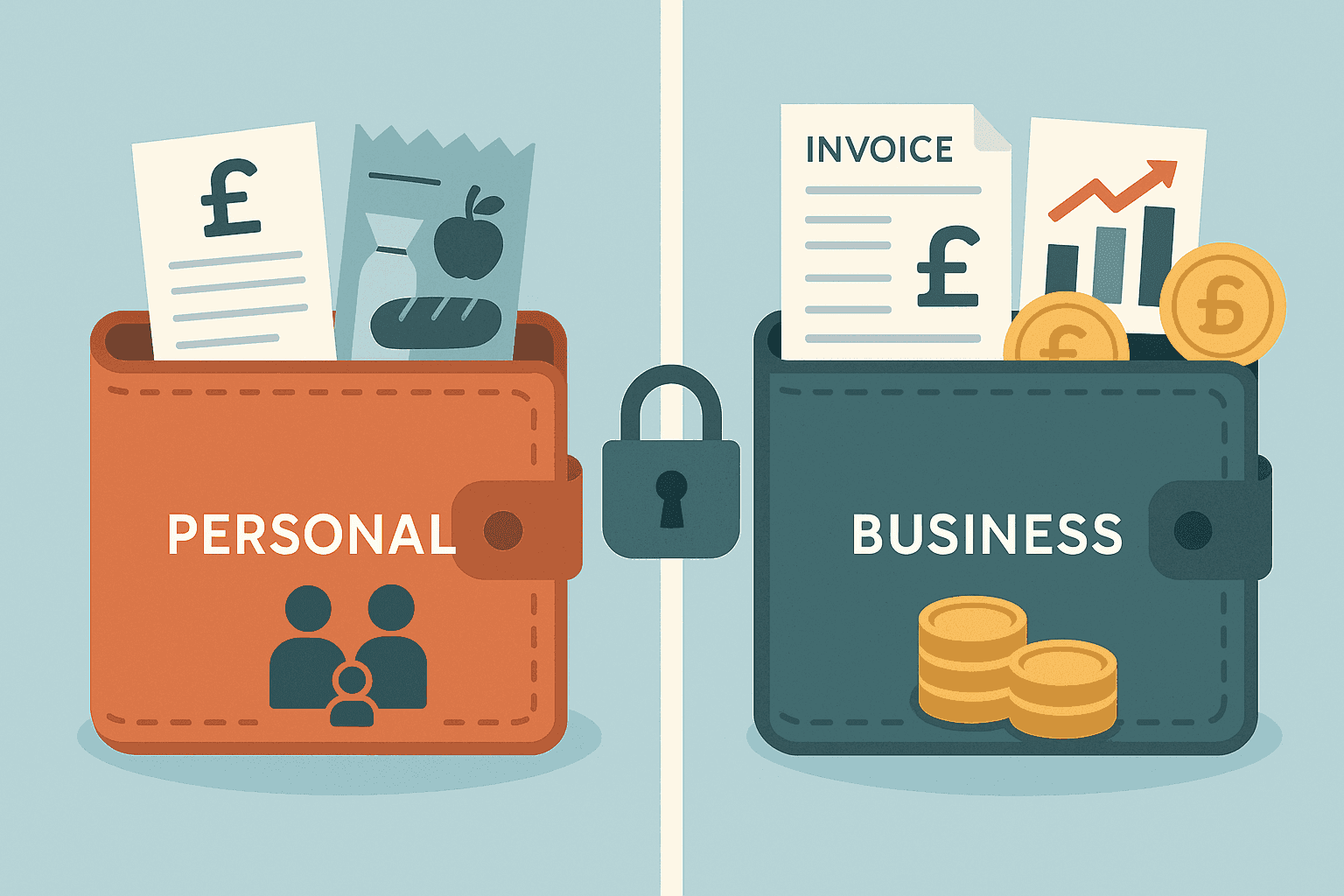
Step 11: Separate Personal and Business Money
As income grows, mixing accounts becomes chaotic.
Within three years, you should aim to:
Use a dedicated business wallet or account
Track business expenses separately
Pay yourself a structured amount monthly
This builds clarity and professionalism.
It also makes financial analysis easier.
Step 12: Design a “No Panic” System
One reason creatives struggle financially is emotional decision-making.
You take low-paying gigs during slow months.
You overspend during high months.
A three-year plan reduces panic.
When you know:
Your buffer is intact
Your product sales are steady
Your expenses are controlled
You make decisions from strategy, not fear.
Step 13: Invest Beyond Your Creative Business
By Year 3, think beyond platform income.
Consider:
Index funds or long-term investments
Real estate savings
Diversified assets
Retirement planning
Creative income can fluctuate. Investments add stability.
The goal is long-term wealth, not just short-term earnings.
A Simple 3-Year Financial Vision
Here is what growth could look like:
Year 1
You stabilize income, build savings, create first digital product.
Year 2
You optimize systems, grow email list, increase average order value.
Year 3
You reduce dependence on brand deals, grow recurring income, hire support, and invest externally.
That is transformation.
Final Thoughts
Financial planning as a creative is not about predicting every detail.
It is about direction.
When you look three years ahead:
You stop overspending during good months
You stop panicking during slow months
You build systems instead of chasing gigs
You think in assets, not just output
Your creativity deserves stability.
And stability does not come from luck. It comes from structure, discipline, and long-term planning.
Three years from now, you will either be grateful you built a financial plan or wishing you had started earlier.
If you’re serious about planning your next three years, you need visibility.
With Endow, you can track your revenue streams, monitor sales performance, and manage your creator income from a structured dashboard built for growth.
Create your storefront, track your earnings, and scale with clarity.
Related Content