Creator Business
Feb 26, 2026
The Financial Stack Every Creator Needs
Discover the essential financial stack every creator needs, from income tracking and cash flow planning to savings and growth investments. Learn how to structure your money for stability, clarity, and long-term success.
Most creators focus on content.
Very few focus on infrastructure.
But the difference between a creator who earns occasionally and a creator who builds wealth is not talent. It is structure.
Behind every sustainable creative business is a financial stack. Not just a payment link. Not just a brand deal. A stack.
A layered system that handles income, expenses, savings, growth, and protection.
If you want stability, clarity, and scale, this is the financial stack you need.
1. Income Capture Layer
Where money enters your ecosystem
Before you think about investing or saving, you need clarity on how money enters your business.
Creators typically earn from:
Brand partnerships
Digital products
Affiliate commissions
Subscriptions
Services
Licensing
Ad revenue
The problem is not earning. It is fragmentation.
Money comes in through different apps, currencies, and payment systems. Some payouts are instant. Others take 30 to 90 days. Some are in dollars. Others in local currency.
Without a centralized way to track all income streams, you are guessing.
Your income capture layer should allow you to:
Accept multiple payment types
Handle local and international payments
Track revenue by source
Monitor pending vs completed payouts
View real-time totals
When you can see exactly where your money is coming from, you stop relying on assumptions.
Clarity increases confidence.
2. Expense Management Layer
Where leaks are controlled
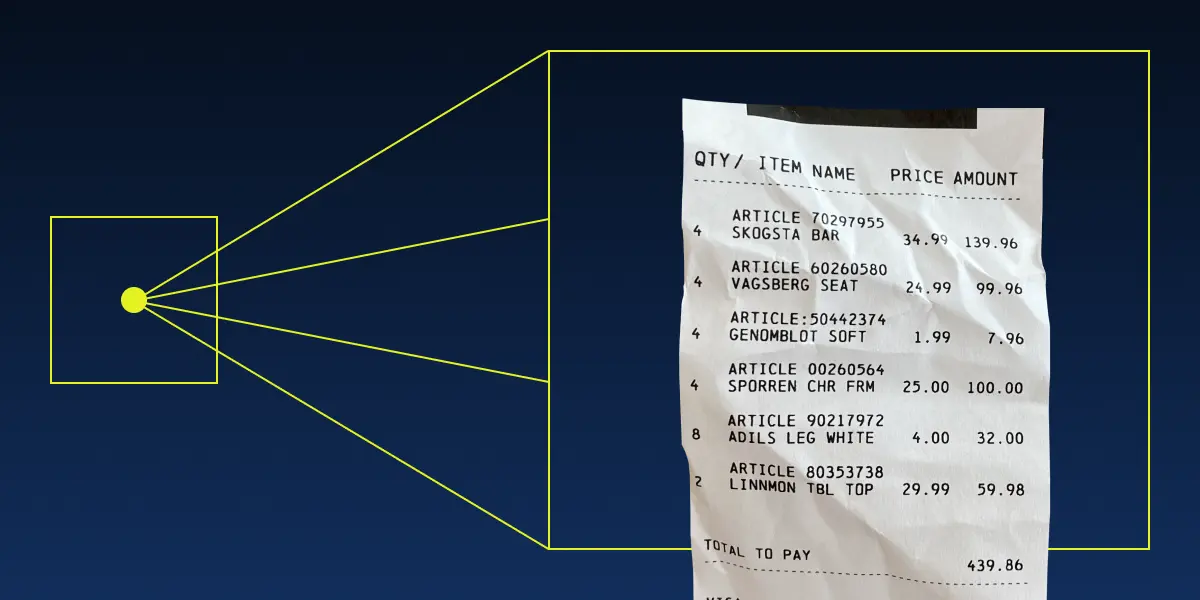
Many creators know their revenue. Few know their actual profit.
Your financial stack must include structured expense tracking.
Common creator expenses include:
Software subscriptions
Equipment
Internet and data
Advertising spend
Team payments
Design or editing support
Workspace costs
Transaction fees
If you are not tracking these consistently, you are likely overestimating your profitability.
Expense tracking should help you:
Categorize spending
Identify unnecessary subscriptions
Measure monthly burn rate
Calculate profit margin
Revenue is vanity. Profit is sustainability.
3. Cash Flow Planning Layer
Where stability is built
Income in the creator economy is not linear.
Brand deals spike during certain quarters. Product launches may generate big bursts. Some months are quiet.
Without cash flow planning, high-income months create false security and low-income months create panic.
Your financial stack must allow you to:
Separate operational funds from personal spending
Allocate tax reserves
Build a 3 to 6 month safety buffer
Smooth out seasonal fluctuations
Cash flow planning transforms inconsistent income into predictable stability.
When you know how long your runway lasts, you make better strategic decisions.

4. Savings and Reserve Layer
Where protection lives
Creative income is vulnerable to:
Algorithm shifts
Platform restrictions
Brand budget cuts
Economic downturns
Currency fluctuations
A strong financial stack includes intentional reserves.
This means:
Emergency savings
Business contingency funds
Device replacement funds
Tax savings
Protection allows you to survive unexpected shocks without scrambling.
Creators who survive long term are rarely the most viral. They are the most prepared.
5. Growth Investment Layer
Where expansion happens
Once your base is stable, growth becomes intentional.
Growth investments may include:
Hiring a virtual assistant
Investing in better equipment
Paid advertising
Skill development
Branding upgrades
Automation tools
But here is the key.
Growth spending should be data-driven, not emotional.
If you cannot measure return on investment, you are gambling.
Your financial stack should help you:
Track revenue before and after investments
Calculate ROI
Identify high-performing income streams
Scale what works
Growth without tracking creates noise. Growth with tracking creates momentum.
6. Tax and Compliance Layer
Where legitimacy lives
Many creators ignore taxes until it becomes urgent.
As income increases, compliance becomes critical.
Your stack must account for:
Tax allocation
Record keeping
Invoice tracking
Regulatory requirements
Even if you operate informally now, building structured documentation protects you as you grow.
Professionalism increases partnership opportunities.
7. Data and Insight Layer
Where strategy becomes intelligent
This is the layer most creators overlook.
You need visibility into:
Monthly revenue trends
Revenue breakdown by stream
Conversion rates
Average order value
Customer repeat rate
Profit margins
When you track these consistently, patterns emerge.
You see:
Which products perform best
Which months are strongest
Which revenue streams are unstable
Where to double down
Without data, decisions are reactive.
With data, they are strategic.
Why Most Creators Feel Financially Stressed
It is not because they are not earning.
It is because their financial systems are disconnected.
Money comes in. Bills go out. Taxes are unclear. Savings are inconsistent. Data is scattered across platforms.
There is no unified structure.
When income grows without structure, stress increases.
When structure grows with income, confidence increases.
The Stack in Action
Imagine a creator who:
Receives brand payments in dollars
Sells digital products in local currency
Earns affiliate commissions monthly
Runs a subscription community
Without a structured stack, this looks chaotic.
With the right stack:
All revenue streams are tracked in one dashboard
Payments are organized by source
Expenses are categorized automatically
Profit is calculated monthly
Tax allocations are separated
Growth investments are measured
The difference is not effort.
It is architecture.
The Real Shift: From Creator to CEO
Building a financial stack is not about becoming corporate.
It is about becoming intentional.
The moment you treat your creative work like a structured business, your mindset shifts.
You stop chasing every opportunity.
You start choosing strategically.
You stop fearing slow months.
You start planning for them.
You stop measuring success by followers.
You start measuring by financial health.
The Future of Creative Wealth
The African creator economy is expanding rapidly.
But the creators who will build generational wealth will not just create content.
They will build systems.
They will own their storefronts.
They will track their income streams.
They will manage cash flow.
They will protect their earnings.
They will invest strategically.
A financial stack is not optional if you want longevity.
It is the foundation.
Final Thought
Creativity attracts attention.
Structure retains wealth.
If your income feels unpredictable, scattered, or stressful, the solution is not more content.
It is a better financial stack.
Build the layers.
Track the flow.
Protect the base.
Scale intentionally.
Because when your money moves with clarity, your creativity moves with confidence.
If you are ready to move from scattered income to structured growth, start building your financial stack with Endow. Track your revenue streams, manage your cash flow, and scale with clarity.
Related Content