Create Smarter
Best Passive Income Streams for Creators: How to Build Revenue That Works While You Sleep
Discover the best passive income streams for creators, from digital products to memberships, and how to build scalable income beyond brand deals.
The creator economy has fundamentally changed how people build careers and generate income. But there's a harsh reality most creators face: trading time for money doesn't scale.
You can only create so many sponsored posts. You can only take on so many client projects. You can only appear in so many places at once. Eventually, you hit a ceiling determined not by demand or talent, but by the simple math of hours in a day.
This is where passive income becomes not just attractive, but essential.
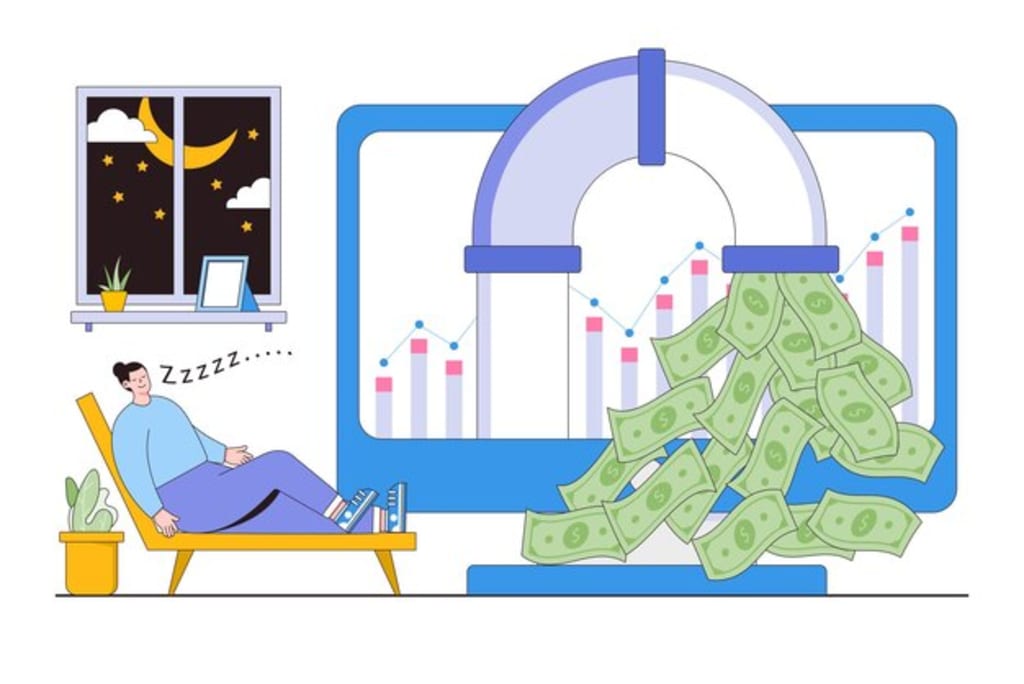
Passive income doesn't mean "no work." It means creating once and earning repeatedly. It means building assets that generate revenue whether you're actively working, taking a break, or focusing on other projects. It means separating your income from your immediate time investment.
For creators specifically, passive income provides something even more valuable than money: creative freedom. When your baseline needs are covered by passive streams, you can take creative risks, explore new formats, turn down misaligned opportunities, and build for the long term instead of constantly chasing the next paycheck.
This guide explores the best passive income streams for creators, with particular focus on digital products—the most accessible and scalable option for most creators starting their passive income journey.
Why Passive Income Matters for Creators
Before diving into specific streams, let's understand why this matters beyond just "making money while you sleep."
Financial Stability in an Irregular Industry
Creator income is inherently irregular. Brand deals come in waves. Ad revenue fluctuates with algorithm changes. Platform monetization shifts based on policies you don't control.
Passive income streams create a baseline. They smooth the volatility. They ensure that even during slow months, money continues flowing in.
Protection Against Algorithm Changes
Every creator has experienced this: the algorithm changes, reach drops, and income takes a hit. When you're entirely dependent on platform-driven income, you're at the mercy of forces outside your control.
Diversified passive income reduces platform dependency. Your financial security doesn't live or die by one platform's decisions.
Time to Create Better Work
Ironically, passive income gives you more time to create the active content that grows your audience.
When you're not constantly scrambling for the next paid opportunity, you can invest in passion projects, experimental content, and the kind of work that actually builds meaningful audience connection.
Scalability Without Burnout
Active income scales linearly with effort. Passive income scales exponentially.
You create a digital product once. It can sell to ten people or ten thousand people without requiring proportionally more work from you. This is how creators break through income ceilings without burning out.
Now let's explore the actual streams.
Best Passive Income Streams for Creators
1. Digital Products: The Foundation of Creator Passive Income
Digital products are the single most accessible passive income stream for creators of any size. You don't need a massive audience. You don't need complex infrastructure. You just need knowledge, experience, or creative assets that others find valuable.
Why Digital Products Work
Digital products have unique advantages:
Zero marginal cost: Creating the 100th copy costs the same as the first (nothing)
Instant delivery: No shipping, no logistics, no fulfillment hassle
Global reach: Sell to anyone, anywhere, instantly
Easy updates: Improve the product over time based on feedback
No inventory risk: You never "run out" or need to forecast demand
Types of Digital Products for Creators
Templates and Swipe Files
If you've developed systems that work, other creators will pay for them.
Examples:
Content calendar templates
Email sequence frameworks
Social media caption templates
Notion dashboards for creator workflows
Canva templates for specific niches
Spreadsheet templates for financial tracking
These require relatively little creation time but solve real problems for your audience. A well-designed template that saves someone 10 hours is easily worth $20-50.
Courses and Educational Products
This is the classic creator digital product, and for good reason.
If you have expertise in your niche—whether that's photography, writing, video editing, audience growth, or anything else—packaging that knowledge into a structured course creates enormous value.
Courses can range from:
Mini-courses ($27-97): Solve one specific problem
Comprehensive courses ($197-497): Teach a complete skill
Masterclasses ($497+): Deep expertise with premium positioning
The key is making sure your course delivers transformation, not just information. People can find information free. They pay for structured paths to results.
E-books and Guides
Written digital products remain powerful, especially for creators who communicate well through writing.
E-books work particularly well for:
Step-by-step guides to specific outcomes
Deep dives into niche topics
Case study compilations
Resource directories with commentary
Narrative-driven educational content
Unlike traditional publishing, self-published digital e-books give you complete control over pricing, distribution, updates, and customer relationships.
Presets, Filters, and Creative Assets
For creators in visual fields, packaging your creative tools is powerful.
Examples:
Lightroom presets for photographers
LUTs (color grading files) for videographers
Procreate brushes for digital artists
Sound effects libraries for audio creators
Stock music for video editors
Font bundles for designers
The beauty of these products is that you've likely already developed them for your own work. Packaging them for others is simply monetizing assets you've already created.
Worksheets and Planners
If your content helps people plan, organize, or improve specific areas of life, downloadable worksheets and planners are natural products.
These work well for creators in:
Productivity and organization
Health and fitness
Personal finance
Goal setting and achievement
Business planning
Creative development
PDFs are simple to create and deliver, yet provide tangible value that people are happy to pay for.
Membership Resources and Content Libraries
Some creators build libraries of resources available through one-time purchase or ongoing membership.
This could include:
Stock photo libraries
Video footage collections
Curated resource directories
Archived educational content
Premium content vaults
Bonus material repositories
The library model creates ongoing value as you add to it over time.
How to Price Digital Products
Pricing digital products is more art than science, but here are working frameworks:
Value-based pricing: What's the outcome worth to the buyer?
A template that saves 10 hours of work for someone billing $50/hour is worth at least $100
Audience-based pricing: Consider your audience's budget
Students and early creators: $10-50
Established creators and professionals: $50-200
Businesses and agencies: $200-500+
Tiered pricing: Offer good-better-best options
Basic: Core product only ($X)
Premium: Product + bonuses ($2X)
Ultimate: Everything + support or extras ($3X)
Many creators undercharge initially. Remember: your knowledge, expertise, and time have real value. Price accordingly.
Building and Selling Digital Products with Endow
This is where infrastructure matters tremendously.
Most creators face a frustrating choice when selling digital products:
Use a platform that takes high fees (20-30%)
Cobble together separate tools for payments, delivery, and tracking
Deal with technical complexity that distracts from creation
Endow's digital storefront changes this equation.
With Endow, creators get:
Professional storefront to showcase products beautifully
Integrated payment processing with no separate merchant accounts needed
Automatic digital delivery so customers receive products instantly
Revenue tracking that shows exactly what's working
Seamless financial management with income automatically organized
The real advantage is integration. Your product sales flow directly into the same system managing your other creator income streams. You see everything in one place: brand deals, ad revenue, affiliate income, and digital product sales.
This visibility is crucial. Many creators don't realize which income streams are most profitable because the data lives in different places. Centralization reveals what deserves your focus.
Plus, Endow's structure automatically separates business and personal money, which means you always know how much you can safely reinvest in creating more products versus what you can use personally.
For creators building passive income seriously, having professional infrastructure that doesn't take massive platform fees makes the difference between products that are "nice side income" and products that genuinely change your financial position.
👉 Start selling digital products with Endow
2. Affiliate Marketing: Recommend What You Already Use
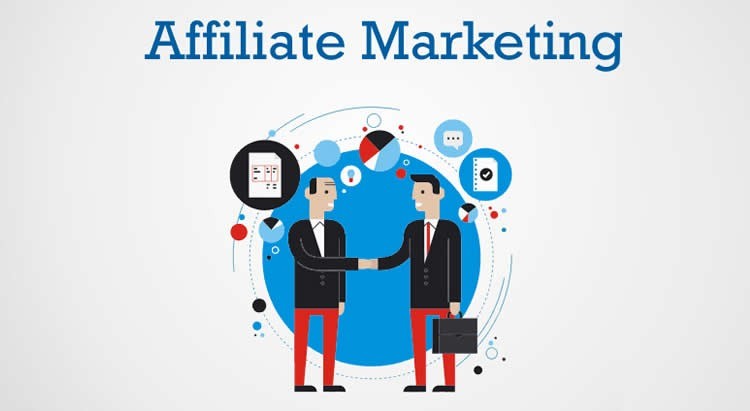
Affiliate marketing is passive income in its purest form: you recommend products you genuinely use, and earn commission when people purchase through your links.
Why It Works for Creators
Your audience trusts your recommendations. When you authentically share tools, products, or services that helped you, and those recommendations include affiliate links, it's win-win-win: your audience discovers valuable resources, the company gains customers, and you earn commission.
How to Do Affiliate Marketing Well
The key is authenticity. Only promote what you actually use and believe in. Your reputation is worth more than any commission check.
Best practices:
Integrate recommendations naturally into content
Disclose affiliate relationships transparently
Focus on products genuinely helpful to your audience
Create content that provides value beyond the affiliate pitch
Track which products resonate and double down
High-Converting Affiliate Content Types
Tutorial videos featuring affiliate tools
"Tools I use" resource pages
Comparison posts between products
Case studies showing results with specific tools
Email sequences with educational content + recommendations
Platform Options
Amazon Associates (broad product range, lower commissions)
Individual brand affiliate programs (higher commissions, more specific)
Affiliate networks (ShareASale, CJ, Impact) for multiple programs
SaaS affiliate programs (often recurring commissions)
The passive element grows over time. A single video reviewing a tool can generate affiliate income for years.
3. Ad Revenue: Monetize Your Existing Content
If you're creating content anyway, platform ad revenue is truly passive.
Platform Options
YouTube Partner Program (ads on videos)
Podcast advertising networks (Spotify, Apple, third-party)
Blog ad networks (Mediavine, AdThrive for sufficient traffic)
Social platform monetization (TikTok Creator Fund, Instagram bonuses)
The Reality of Ad Revenue
Ad revenue alone rarely sustains creators, especially starting out. But as one stream among several, it provides consistent baseline income from content you're creating anyway.
Advantages:
Completely passive once content is published
Scales with audience growth
Requires no additional work beyond content creation
Diversifies income sources
Disadvantages:
Requires significant audience size for meaningful income
Subject to platform policy changes
CPM (cost per thousand views) varies dramatically by niche
Algorithm dependence for visibility
Maximizing Ad Revenue
Create evergreen content that earns long-term
Focus on niches with higher CPM rates
Build libraries of content that compound value
Optimize for watch time and engagement
Diversify across multiple platforms

4. Membership and Subscription Models
Memberships provide recurring passive income—the gold standard for creator financial stability.
How This Works
You create a members-only space (Patreon, YouTube Memberships, Substack, community platforms) where paying members get exclusive value:
Behind-the-scenes content
Early access to new content
Members-only discussions or community
Exclusive resources or tutorials
Direct access to you
Why It's Passive (Eventually)
Initially, memberships require active work: creating exclusive content, engaging with members, building community.
But over time, much of this becomes systematized:
You develop a content calendar
Community members engage with each other
Archives of exclusive content compound value
Systems handle most operational aspects
The passive element is the recurring revenue. Once someone subscribes, income continues monthly without requiring a new sale each time.
Keys to Successful Memberships
Clear value proposition (what do members get that non-members don't?)
Consistent delivery on promised value
Community building (members stay for connection, not just content)
Tiered options serving different budgets and needs
Regular communication about upcoming value
5. Licensing Your Content
If you create valuable content, licensing it to others is passive income many creators overlook.
What Can Be Licensed
Photographs for stock libraries
Video footage for stock video platforms
Music and audio for licensing libraries
Written content for republication
Educational content for corporate training
Brand assets for commercial use
Platforms for Licensing
Stock photo sites (Shutterstock, Adobe Stock)
Video footage platforms (Pond5, Artgrid)
Music licensing (Epidemic Sound, AudioJungle)
Content syndication networks
Direct licensing agreements with businesses
Why This Works
You create once. The content earns repeatedly every time it's licensed. Unlike selling digital products where you set the price, licensing often provides smaller amounts but from many more sources over longer timeframes.
Building a Passive Income Stack
The most financially stable creators don't rely on one passive income stream. They build a stack:
Foundation: Digital products providing baseline income Scaling layer: Affiliate marketing from content Amplification layer: Ad revenue from platforms Stability layer: Membership recurring revenue Long-tail layer: Content licensing
Each stream reinforces others. Your YouTube videos drive digital product sales. Your email list promotes affiliate products. Your podcast generates ad revenue while building audience for memberships.
The Role of Infrastructure: Why Your Tools Matter
Here's what most passive income advice misses: the tools you use determine whether passive income actually feels passive.
If you're manually tracking sales across five platforms, manually delivering digital products, manually reconciling payments, and manually separating business from personal money, your passive income streams create active management work.
This is where Endow becomes essential for creators building serious passive income.
Centralized Revenue Visibility
When your digital product sales, affiliate commissions, ad revenue, and membership income all flow through or connect to one system, you finally see your complete financial picture.
You know which streams are worth your focus. You can make strategic decisions based on real data, not guesswork.
Automated Financial Management
Endow automatically handles what most creators do manually:
Tracking all income sources
Categorizing revenue by stream
Separating business and personal funds
Organizing for tax purposes
This automation is what makes passive income actually passive. You're earning while you sleep, and your financial system is organizing it while you sleep too.
Professional Presentation
For digital products specifically, Endow's storefront gives you professional presentation without building a website, integrating payment processors, or setting up delivery systems.
Your products look credible. The buying experience is smooth. Customers receive their purchases instantly. And you see every sale in your dashboard immediately.
Getting Started: Your First Passive Income Stream
If you're new to passive income, start with digital products. Specifically:
Step 1: Identify one problem you've solved that others struggle with
Step 2: Create a simple digital product (template, guide, or mini-course)
Step 3: Price it accessibly ($20-50)
Step 4: Set up your storefront (Endow makes this simple)
Step 5: Promote to your existing audience
Step 6: Gather feedback and iterate
Don't try to build five passive income streams simultaneously. Master one, then add others.
Conclusion: Passive Income as Creative Freedom
The goal of passive income isn't to never work again. It's to work on what matters.
When passive streams cover your baseline needs, you can:
Create experimental content without financial pressure
Turn down misaligned brand deals
Invest in long-term projects
Take breaks without income disappearing
Build for legacy, not just next month's bills
Digital products in particular offer the best starting point: accessible to create, scalable without limits, and genuinely passive once established.
With the right infrastructure—like Endow's integrated platform—building passive income becomes less about technical complexity and more about what you do best: creating value for your audience.
Start with one product. Get it out there. Learn from the experience. Then build the next layer.
Your future self, with multiple passive income streams quietly working in the background, will thank you for starting today.
Creators who own their products own their future.
Build, sell, and track digital products from one storefront with Endow.
Related Content