Money Made Simple
How to Calculate Creator ROI (Return on Investment)
ROI reveals whether your creator efforts are truly profitable. Learn how to calculate creator ROI, track investment versus return, and make smarter growth decisions.

Most creators track views.
Some track revenue.
Very few track ROI.
That is where the real difference lies.
ROI, return on investment, tells you whether your effort, money, and time are actually producing profitable outcomes. Without it, growth can look impressive while profitability quietly suffers.
If you want to build a sustainable creator business, not just a visible one, you must understand how to calculate and interpret creator ROI.
This guide breaks it down clearly, with practical examples and systems you can use immediately.
What ROI Means for Creators
ROI measures the return you get compared to what you invested.
In simple terms:
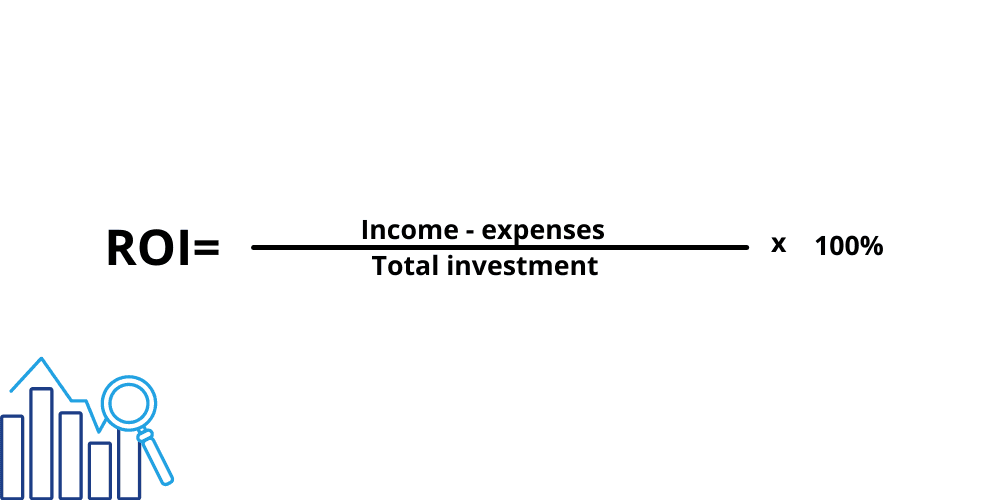
ROI = (Return – Investment) ÷ Investment
For creators, “investment” is not just money. It includes:
Production costs
Software subscriptions
Ad spend
Equipment
Team support
Time
“Return” usually means:
Revenue generated
Sales
Leads
Long-term audience growth
Brand equity
The key is defining what you are measuring before you calculate it.

Why Most Creators Never Calculate ROI
Creators often focus on vanity metrics:
Likes
Views
Follower growth
Engagement rate
These numbers feel rewarding. They do not guarantee profit.
Without ROI tracking, creators:
Accept underpriced brand deals
Spend excessively on ads
Launch products without profit analysis
Invest in tools that do not generate returns
Visibility without profitability creates financial pressure.
ROI forces clarity.
The Core ROI Formula Explained
The basic ROI formula is:
ROI = (Revenue – Cost) ÷ Cost
To turn it into a percentage:
ROI % = [(Revenue – Cost) ÷ Cost] × 100
If you invest ₦100,000 in producing and marketing a digital product and it generates ₦300,000 in revenue:
Profit = ₦300,000 – ₦100,000 = ₦200,000
ROI = ₦200,000 ÷ ₦100,000 = 2
ROI % = 200%
That means you earned twice your investment.
Simple. Powerful.
Types of Creator ROI You Should Track
Not all ROI is calculated the same way. Creators should measure different types.
1. Content ROI
This measures whether specific content pieces generate revenue relative to production cost.
Investment includes:
Filming costs
Editing
Tools
Paid promotion
Return includes:
Direct sales
Affiliate income
Leads
Brand inquiries
If a YouTube video costs ₦50,000 to produce and brings ₦120,000 in affiliate income, the ROI is strong.
If it generates only engagement but no measurable income, its ROI may be low unless it builds strategic authority.
2. Digital Product ROI
Digital products are one of the easiest areas to calculate ROI.
Investment includes:
Design
Writing
Platform fees
Marketing
Return includes:
Total sales revenue
Digital products often have high margins because costs are front-loaded.
Tracking ROI here shows:
Which products deserve scaling
Which need repositioning
Whether ad spend makes sense
If your digital storefront generates recurring income with minimal maintenance, ROI increases over time.
3. Brand Deal ROI
Brand deals are often evaluated only by payout size.
But true ROI considers effort and opportunity cost.
Investment includes:
Time spent creating
Production costs
Potential loss of audience trust
Content disruption
Return includes:
Payment
Long-term brand alignment
Audience growth
A high-paying deal that damages credibility may have negative long-term ROI.
4. Advertising ROI
If you run ads to sell digital products or grow your audience, ROI tracking is non-negotiable.
Investment:
Ad spend
Creative production
Return:
Revenue from conversions
If you spend ₦200,000 on ads and generate ₦250,000 in sales, your profit is ₦50,000.
That is a 25% ROI.
If your margin is thin, scaling ads may not be sustainable.
5. Time ROI
Time is your most limited resource.
You should measure:
Revenue per hour
Profit per project
Output per time block
If one income stream generates ₦500,000 with 5 hours of work, and another generates ₦500,000 with 50 hours of work, they are not equal.
Time ROI determines what you should scale.
How to Calculate Creator ROI Step by Step
Step 1: Define the project
Be specific. Is it a product launch, a brand deal, a course, or ad campaign?
Step 2: Calculate total investment
Include every cost. Do not underestimate.
Step 3: Calculate total return
Use real revenue numbers, not projected ones.
Step 4: Subtract investment from return
This gives profit.
Step 5: Divide profit by investment
This gives ROI.
Step 6: Convert to percentage
Multiply by 100.
Clarity improves with repetition.
Hidden Costs Creators Often Forget
Many ROI calculations are wrong because costs are incomplete.
Commonly ignored costs include:
Subscription tools
Payment processing fees
Internet and electricity
Equipment depreciation
Team assistance
Taxes
If you ignore these, ROI looks inflated.
Accurate numbers create accurate strategy.
Short-Term ROI vs Long-Term ROI
Not every investment pays immediately.
Some projects build:
Audience trust
Authority
Email lists
Strategic partnerships
These may not generate instant revenue but can increase future ROI.
The key is distinguishing:
Strategic investment
versus
Unstructured spending
Intent matters.
Using ROI to Make Better Decisions
Once you track ROI consistently, patterns emerge.
You may discover:
Digital products outperform brand deals
Certain platforms generate higher revenue
Some collaborations are inefficient
Paid ads are profitable only for specific products
ROI shifts decisions from emotional to strategic.
Why Revenue Visibility Is Critical for ROI
You cannot calculate ROI if you cannot clearly see your revenue streams.
Creators often struggle because income is scattered:
Multiple platforms
Different payment schedules
Various currencies
Delayed payouts
Without centralized visibility, ROI becomes guesswork.
How Endow Supports Creator ROI Tracking
Endow helps creators centralize income and understand real performance.
With structured revenue visibility, you can:
See which digital products generate the most income
Track consistent monthly earnings
Compare revenue across projects
Separate business income from personal spending
Make ROI calculations confidently
When your income is organized, ROI becomes easy to calculate.
Financial clarity turns creativity into strategy.
Common ROI Mistakes Creators Make
Measuring only revenue, not profit
Ignoring time investment
Forgetting hidden expenses
Making decisions based on one good month
Scaling before confirming profitability
ROI should guide growth, not follow it.
Final Thoughts
Creator success is not just about growth.
It is about profitable growth.
ROI protects you from scaling the wrong things.
When you understand what truly works, you stop chasing trends and start building assets.
Creators who calculate ROI build leverage.
Creators who ignore it build pressure.
Clarity changes everything.
Creators who understand their numbers grow intentionally.
Related Content