Create Smarter
Creator Scams to Avoid in 2026 (And How to Protect Your Money and Reputation)
Creator scams are getting smarter in 2026. Discover the most common scams targeting creators, how they work, and practical steps to protect your money, content, and reputation.
Being a creator in 2026 feels like standing in the middle of a gold rush.
More brands.
More platforms.
More money flowing through the ecosystem.
But here’s the part people don’t like to say out loud.
Wherever money flows quickly, scams follow faster.
The creator economy has crossed a dangerous threshold. It’s now big enough to attract sophisticated fraud, but still informal enough that many creators don’t have the systems, legal backing, or financial structure to protect themselves properly.
Most creator scams don’t look dramatic.
They don’t scream “fraud”.
They look like emails you’re excited to open.
Opportunities you’ve been waiting for.
Messages that arrive at the exact moment you’re tired of struggling.
That’s why this article matters.
This is a deep, practical breakdown of the most common creator scams in 2026, how they actually work behind the scenes, why creators fall for them, and what you can do to protect both your money and your reputation without becoming paranoid or missing real opportunities.
Why creator scams are exploding in 2026
Creators are uniquely vulnerable, and scammers understand this better than most creators do.
You are:
Often self-employed
Often operating without contracts
Often dealing across borders
Often paid irregularly
Often negotiating alone
That combination creates cracks. And scammers don’t break doors. They slip through cracks.
There are three big shifts making scams worse in 2026:
First, creators now control real budgets. Brands are spending millions on influencer marketing across Africa and globally. That money has become visible.
Second, creator income is still poorly regulated. Many creators don’t have registered businesses, formal invoicing, or consistent payment systems.
Third, desperation exists quietly. Even successful-looking creators can be financially unstable behind the scenes. Scammers prey on urgency, not ignorance.
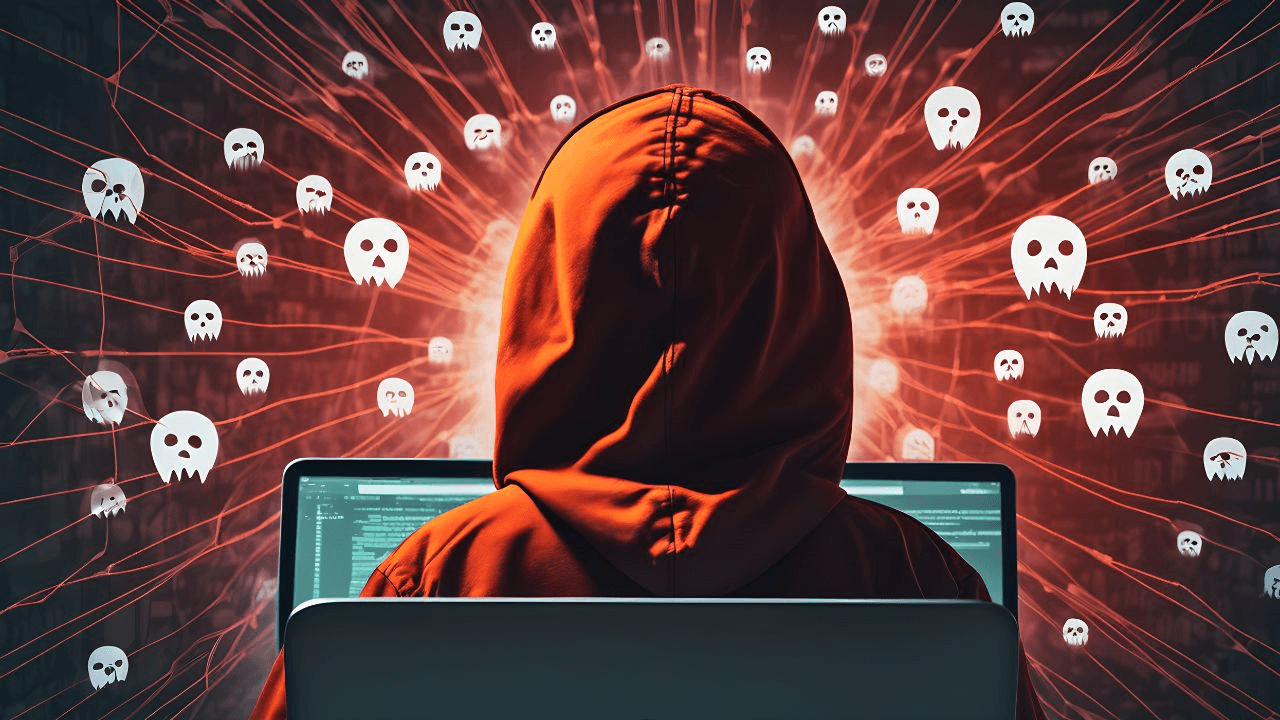
Scam #1: Fake Brand Collaborations (The Most Dangerous One)
This scam has evolved far beyond poorly written emails.
In 2026, fake brand scams often include:
Real brand names
Real campaign references
Professionally designed briefs
Fake company domains that look legitimate
The approach usually feels flattering. They praise your content. They mention a specific post. They tell you why you’re a “perfect fit”.
Then the trap is set.
How the scam works
The scam typically ends in one of four ways:
Upfront payment requests
You’re asked to pay for “product shipping”, “campaign onboarding”, or “processing fees”.Malware attachments
They send a “brief” or “contract” file that installs spyware or steals login details.Data harvesting
They request personal documents, banking details, or platform login access.Fake payment screenshots
They send proof of payment that never actually clears.
Why creators fall for it
Because real brand deals look exactly like this.
The scam copies the normal process perfectly.
How to protect yourself
No brand should ever ask you to pay upfront
Verify email domains carefully
Never download files from unverified senders
Confirm campaigns through official brand websites or LinkedIn pages
A real brand pays you. Always.
Scam #2: Fake Influencer Agencies and “Talent Managers”
Representation has become attractive in 2026, especially as creators get tired of negotiating alone.
Scammers exploit this.
They position themselves as:
Influencer agencies
Talent managers
Brand intermediaries
They promise:
Guaranteed deals
Faster brand access
“Premium” campaigns
Then they charge:
Monthly retainers
Onboarding fees
“Platform access” fees
And disappear once payment is made.
The uncomfortable truth
Real managers don’t charge upfront.
They earn a percentage of deals they secure for you.
If someone makes money before you do, their incentive ends there.
Protection checklist
Ask for existing creator clients
Ask how they make money
Ask for verifiable campaigns
Avoid urgency and pressure tactics
Professional representation is patient. Scams are rushed.
Scam #3: Payment Reversal and Chargeback Scams
This scam hurts because it feels like success at first.
A client hires you.
They pay fast.
You deliver the content.
Weeks later, the payment is reversed.
This happens through:
Chargebacks
Disputes
Payment platform loopholes
And because many creators don’t use contracts or escrow, they lose everything.
Why it’s increasing in 2026
Cross-border work is normal now. Payment enforcement is weak. Scammers exploit international platforms.
How to protect yourself
Use contracts with clear delivery terms
Avoid full delivery before secure payment
Use platforms with dispute protection
Keep proof of work and communication
Money received is not money earned until it clears safely.
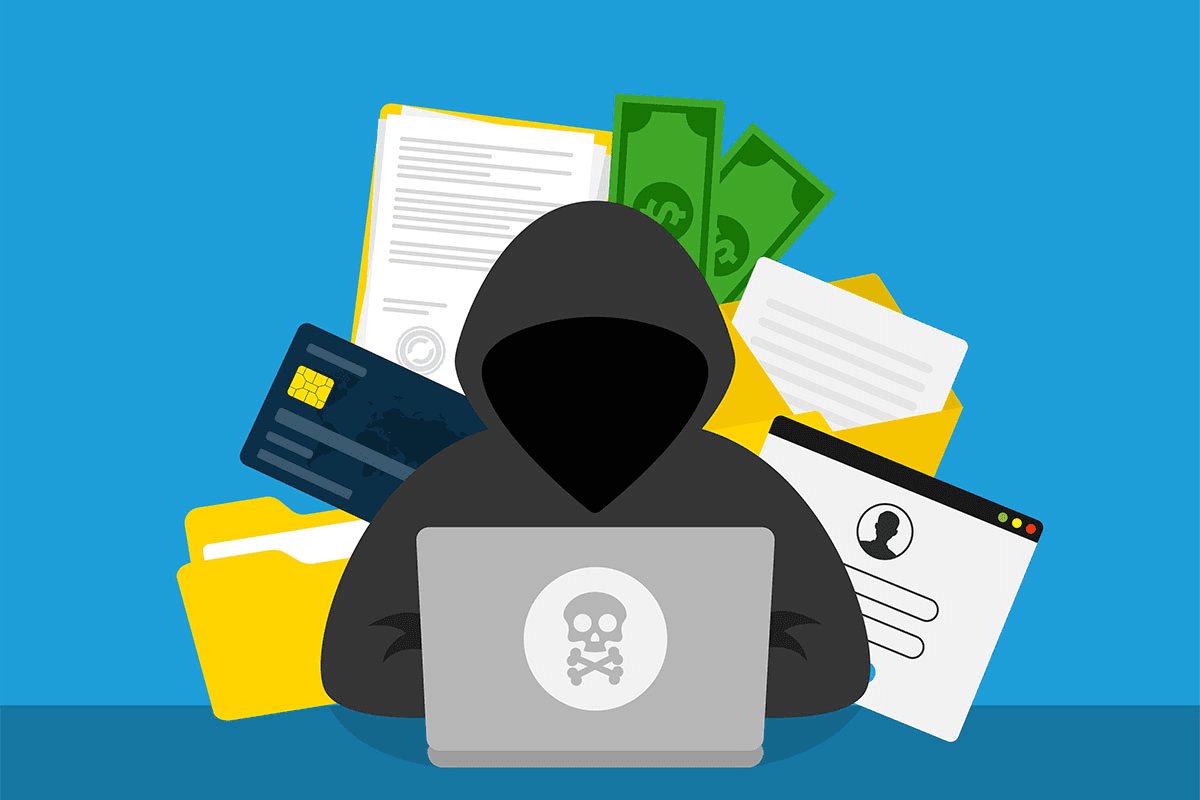
Scam #4: Fake Creator Platforms and Monetisation Apps
In 2026, platforms promise:
Brand discovery
Paid campaigns
Monetisation access
But many are built purely to extract subscription fees from creators.
Common signs:
Heavy marketing to creators, not brands
No transparent payout structure
Locked withdrawals
Unrealistic earning promises
The platform earns whether you earn or not.
That’s the red flag.
A healthy creator platform grows when creators get paid. Not when they sign up.
Scam #5: IP Theft Disguised as Contracts
Some scams don’t steal money immediately.
They steal ownership.
Creators sign contracts that quietly:
Transfer full content rights
Allow unlimited reuse
Grant perpetual licenses
Enforce long exclusivity
Months later, your content appears in ads, billboards, or other markets. And legally, you allowed it.
Why this is dangerous
Your face, voice, and credibility are assets. Once licensed wrongly, you lose control.
How to protect yourself
Always read usage clauses
Charge separately for licensing
Avoid “in perpetuity” terms
Ask for clarification in writing
If you don’t understand a contract, pause. Silence is cheaper than regret.
Scam #6: Fake Courses, Mentorships, and “Creator Gurus”
Education is valuable. Exploitation is not.
Some creator “mentors” sell dreams:
Guaranteed virality
Fixed income promises
Brand deal blueprints
Often using rented lifestyles and borrowed screenshots.
The danger
Creators confuse confidence with credibility.
How to protect yourself
Look for transparent case studies
Avoid income guarantees
Avoid pressure-based selling
Demand refund policies
Real education builds skill. Scams build dependency.

Scam #7: Tax and Compliance Scams
As governments begin tracking digital income, scammers exploit confusion.
Creators receive messages claiming:
Unpaid taxes
Mandatory registration
Penalties
Often via email or DM.
Governments do not DM creators on social media.
Always verify through official channels.
The psychology behind creator scams
Scams succeed because they hit emotional pressure points:
Fear of missing out
Financial instability
Desire for validation
Burnout
When money feels chaotic, urgency feels reasonable.
That’s why structure matters.
Creators with systems think clearly.
Creators without systems react emotionally.
How to truly protect yourself as a creator in 2026
Avoiding scams isn’t about being suspicious.
It’s about being structured.
That means:
Proper payment systems
Clear contracts
Income tracking
Separate business finances
Predictable cash flow
Scammers thrive in chaos.
They struggle in organised systems.
Why this matters long-term
One scam can cost:
Months of income
Confidence
Momentum
And many creators don’t quit because they lack talent.
They quit because the financial stress becomes unbearable.
Professionalism now includes financial protection.
Final thoughts
Being a creator in 2026 means opportunity and risk walk side by side.
Awareness doesn’t make you fearful.
It makes you powerful.
When you understand how scams work, you move slower, ask better questions, and protect your future.
That’s how creators last.
Most creator scams succeed because creators are forced to operate informally.
Endow exists to change that.
We’re building financial tools for creators to:
Receive payments securely
Track income properly
Split payments transparently
Manage creator banking in one place
When your finances are structured, scams lose their grip.
If you want a creator career that’s calm, protected, and sustainable in 2026, join Endow early.
Your creativity deserves a financial system that doesn’t leave you exposed.
Get Endow Now!
Related Content