Create Smarter
Planning for Slow Months Without Stress
Slow months are inevitable in the creator economy, but stress does not have to be. Learn how creators can plan ahead, manage spending, and stay calm when income dips.
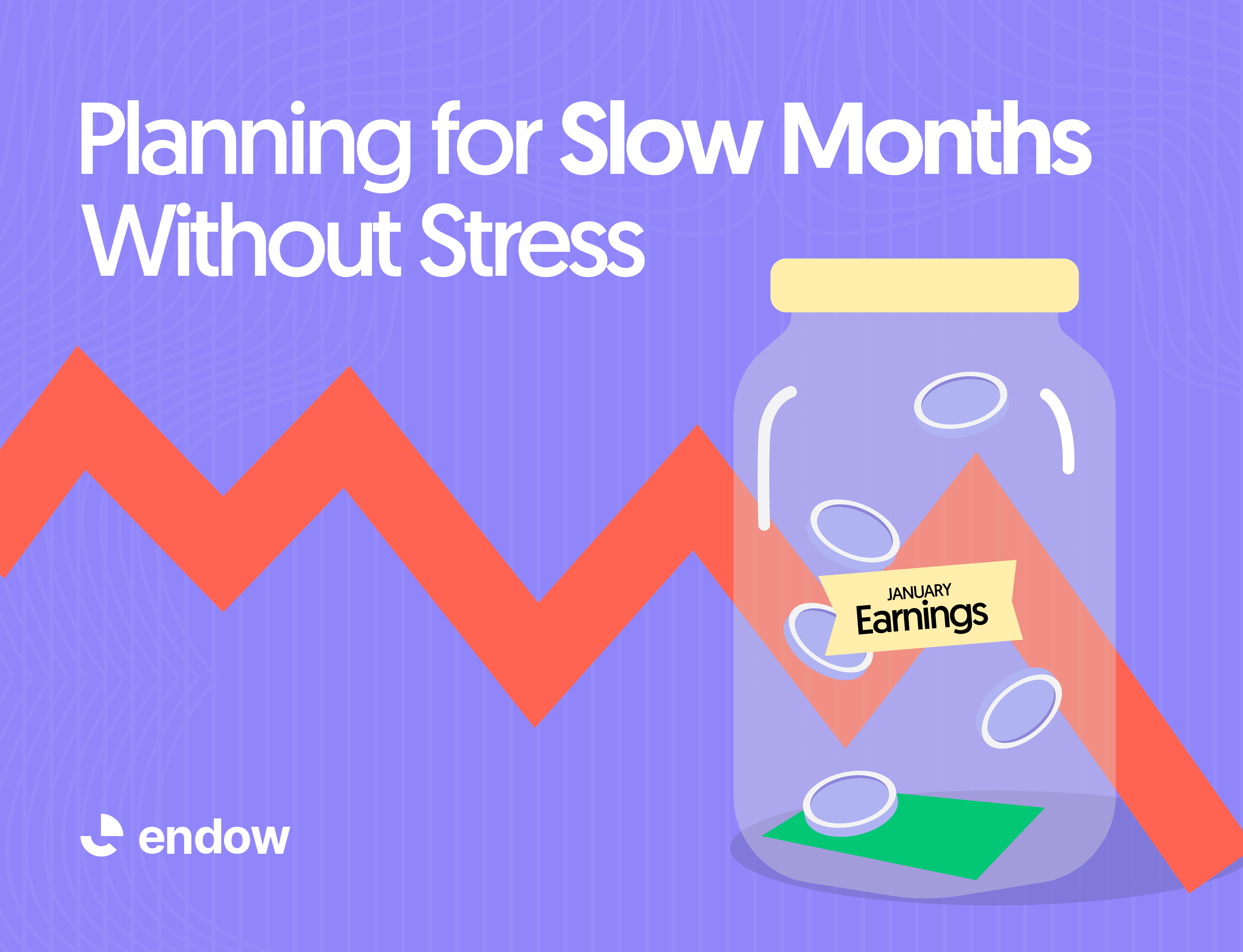
Slow months are not a failure.
They are part of the creator economy.
Every creator, no matter how successful, experiences periods when income dips. Brand budgets pause. Platform payouts drop. Algorithms shift. Clients delay approvals. Audiences spend less.
What separates creators who stay calm from those who spiral is not luck or talent. It is planning.
This guide shows how creators can plan for slow months without stress, without panic decisions, and without sacrificing long-term growth.
Why slow months feel heavier for creators
Creators are paid based on output, visibility, and timing, not hours worked.
This creates three psychological pressures during slow months:
Uncertainty
You do not know when the next payment will land or how big it will be.Visibility pressure
You feel forced to stay active even when energy or ideas are low.Financial guilt
Every expense feels irresponsible when income slows.
Without systems, slow months become emotionally exhausting, not just financially challenging.
Step 1: Accept slow months as a pattern, not an exception
The first mistake creators make is treating slow months as unexpected.
They are not.
Slow periods often follow predictable cycles:
Post-holiday lulls
Mid-year brand budget resets
Platform algorithm changes
Seasonal drops in audience spending
When you expect consistency in an inconsistent industry, stress is guaranteed.
Planning begins with acceptance.
Once you assume slow months will happen, you stop reacting emotionally and start preparing structurally.
Step 2: Identify your personal slow-month triggers
Not all creators slow down for the same reasons.
Some common triggers include:
Overreliance on one platform
Heavy dependence on brand deals
Seasonal niches like travel or fashion
Payment delays from international clients
Burnout after high-output periods
Look at your last 12 months and ask:
When did income dip?
What caused it?
Was it predictable?
Patterns remove fear.
Step 3: Separate survival costs from lifestyle costs
Stress during slow months often comes from unclear spending.
You need two numbers:
What you must spend to survive and work
What you spend when income is flowing
Survival costs include:
Rent or housing
Food
Internet
Utilities
Transportation
Essential tools and subscriptions
Lifestyle costs include:
Upgrades
Eating out
Non-essential subscriptions
Luxury purchases
When income slows, only one category matters.
Knowing this difference allows you to adjust calmly instead of cutting blindly.
Step 4: Build a slow-month spending mode
Creators should not improvise during slow months.
You need a predefined mode.
A slow-month mode may include:
Pausing non-essential subscriptions
Reducing discretionary spending
Delaying upgrades
Focusing on maintenance, not expansion
This is not deprivation. It is temporary efficiency.
Because the plan already exists, there is no panic or guilt when you activate it.
Step 5: Create income smoothing, not income chasing
Many creators respond to slow months by chasing income aggressively.
This leads to:
Underpricing
Accepting bad terms
Overworking
Burning bridges
A better approach is income smoothing.
Income smoothing means:
Diversifying income streams
Spreading payouts across months
Reducing dependence on single events or deals
Examples include:
Mixing brand deals with digital products
Combining platform payouts with client retainers
Using subscription-based offerings
Scheduling launches intentionally
The goal is not more money instantly, but steadier money over time.
Step 6: Front-load planning during good months
Slow months are survived with decisions made during good months.
When income is strong:
Set aside money intentionally
Prepay critical subscriptions
Schedule content in advance
Pitch brands early
Build backlog and drafts
Good months are for preparation.
Slow months are for execution.
Creators who plan ahead experience slow months as quieter, not scarier.
Step 7: Reduce emotional spending triggers
Stress spending is real.
During slow months, creators may:
Buy tools they do not need
Spend on visibility to feel productive
Make impulsive FX conversions
Drain savings for comfort
Awareness is protection.
Before spending during slow months, ask:
Does this reduce stress long-term?
Or just numb it temporarily?
Slowing spending decisions protects both money and mental health.
Step 8: Use slow months strategically
Slow months are not wasted time.
They are an opportunity to:
Audit finances
Improve systems
Build long-term assets
Update portfolios
Learn new skills
Create evergreen content
Creators who only create during busy periods eventually stall.
Slow months are where durability is built.
Step 9: Communicate early with clients and collaborators
Silence increases anxiety.
If you work with brands or clients:
Follow up early on payments
Clarify timelines
Renegotiate schedules if needed
Maintain relationships proactively
Clear communication prevents surprises.
Most stress comes from uncertainty, not reality.
Step 10: Track slow months without judgment
Tracking is not punishment.
It is feedback.
By tracking:
Monthly income
Expense patterns
Platform performance
Payment delays
You gain data that improves future planning.
Creators who track trends stop blaming themselves and start adjusting systems.
Why financial structure reduces creative stress
Creators often think stress is emotional.
In reality, it is structural.
When money is unclear:
Creativity feels pressured
Rest feels irresponsible
Every decision feels risky
Structure removes emotional load.
Planning does not remove uncertainty, but it makes uncertainty manageable.
A realistic slow-month mindset
Planning for slow months is not pessimism.
It is professionalism.
Creators who plan:
Last longer
Negotiate better
Rest without guilt
Create with clarity
Slow months will come.
Stress is optional.
Final thoughts
You do not need constant income to feel stable.
You need systems that expect fluctuation.
Planning for slow months is not about fear.
It is about respect for your work and your well-being.
When slow months arrive and nothing breaks, you know the system is working.
Related Content