Creator Business
May 12, 2026
Why Most Creators Price Based on Fear
Pricing is one of the clearest signals of how a creator sees their own work.
Pricing is one of the clearest signals of how a creator sees their own work.
Not just the market.
Not just the client.
Not just the competition.
But their own value.
And here is the uncomfortable truth:
Most creators are not pricing based on strategy.
They are pricing based on fear.
Fear of losing the deal.
Fear of sounding too expensive.
Fear of being replaced.
Fear of rejection.
Fear of silence after sending a quote.
So instead of building a pricing system, they build a pricing reaction.
And that reaction quietly shapes everything:
Income stability
Brand positioning
Client quality
Workload
Burnout levels
Even long-term financial growth
Pricing is not just a number.
It is a behavior.
And fear is one of the most expensive pricing strategies a creator can adopt.

The Psychology Behind Fear-Based Pricing
Most creators do not wake up and intentionally decide to underprice themselves.
It happens gradually.
Almost invisibly.
A message comes in:
“Hi, how much for this?”
And suddenly, the mind starts calculating not value, but probability.
If I say too high, I lose it.
If I say too low, I get it.
So the decision becomes emotional instead of structural.
This is where fear enters the pricing process.
Not as panic.
But as caution disguised as strategy.
Fear shifts the question
Instead of asking:
“What is this work worth?”
Creators start asking:
“What number will make them say yes?”
That shift changes everything.
Because the goal is no longer alignment with value.
The goal becomes acceptance.
And acceptance is not a pricing strategy.
It is a survival instinct.
Why Fear Feels Like a Smart Strategy
Fear-based pricing persists for one reason:
It works in the short term.
Lower prices get faster responses.
Faster responses feel like demand.
Demand feels like validation.
Validation feels like progress.
So the system reinforces itself.
But what looks like progress is often just volume without structure.
More deals.
Less margin.
More work.
Less clarity.
More visibility.
Less profit.
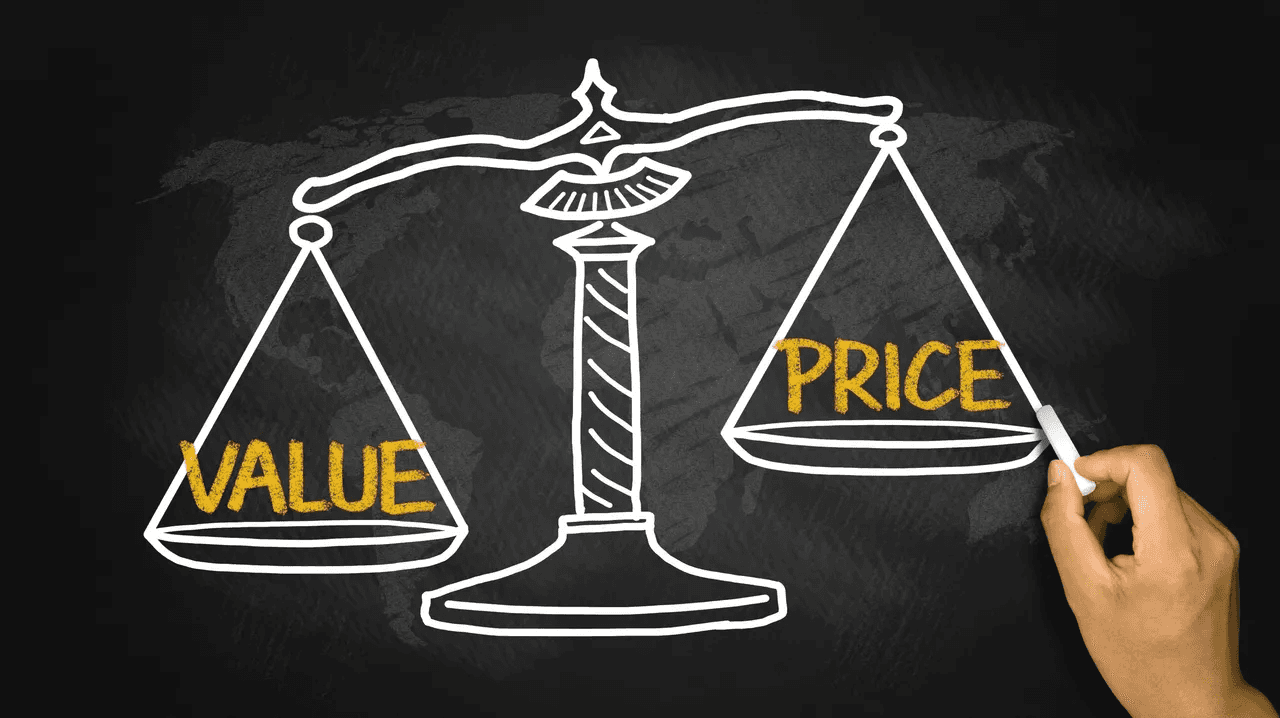
The Hidden Cost of Underpricing
The real damage of fear-based pricing is not always visible in the moment.
It shows up later.
Slowly.
In patterns.
1. Overwork without proportional income
When pricing is low, volume becomes the compensation strategy.
More clients.
More deliverables.
More revisions.
More deadlines.
But income does not scale at the same rate.
So effort increases faster than earnings.
2. Attracting the wrong clients
Price is a filter.
Low pricing does not just attract more clients.
It attracts a different type of expectation.
More negotiation.
More control.
Less respect for process.
Less perceived value in your time.
3. Burnout disguised as “being busy”
Fear-based pricing often creates full calendars.
But not strong margins.
So creators feel productive but financially stuck.
Always working.
Never scaling.
4. Difficulty increasing prices later
Once a creator establishes themselves at a low rate, raising prices becomes psychologically difficult.
Not because the market won’t accept it.
But because the creator has internalized the lower value.
Fear in Pricing Has Three Main Forms
Most pricing decisions driven by fear fall into predictable patterns.
Fear of rejection
This is the most common.
The belief:
“If I price higher, they will leave.”
So creators anchor their pricing below what the work is worth.
Just to avoid silence.
Fear of being replaced
In competitive creative markets, many creators assume:
“If I am not cheap, someone else will be.”
This creates a race to the bottom.
Not a race to quality.
Fear of inconsistency
Creators with irregular income often underprice to stabilize demand.
The thinking:
“If I price lower, I will get more consistent work.”
But consistency without profitability is not stability.
It is dependency.
Why Fear-Based Pricing Is Actually a Systems Problem
It is easy to frame this as mindset.
But that is incomplete.
Fear-based pricing is usually a lack of system, not a lack of confidence.
Because when creators do not have:
Clear revenue tracking
Visibility into past earnings
Understanding of profitability per project
Benchmarks for their own work
Separation between personal and business finances
Pricing becomes emotional by default.
You cannot price strategically what you cannot measure.
No data means no anchor
Without structured financial data, every new quote feels like a guess.
So creators rely on:
What others charge
What the client suggests
What feels “safe”
What worked last time
None of these are pricing systems.
They are pricing shortcuts.
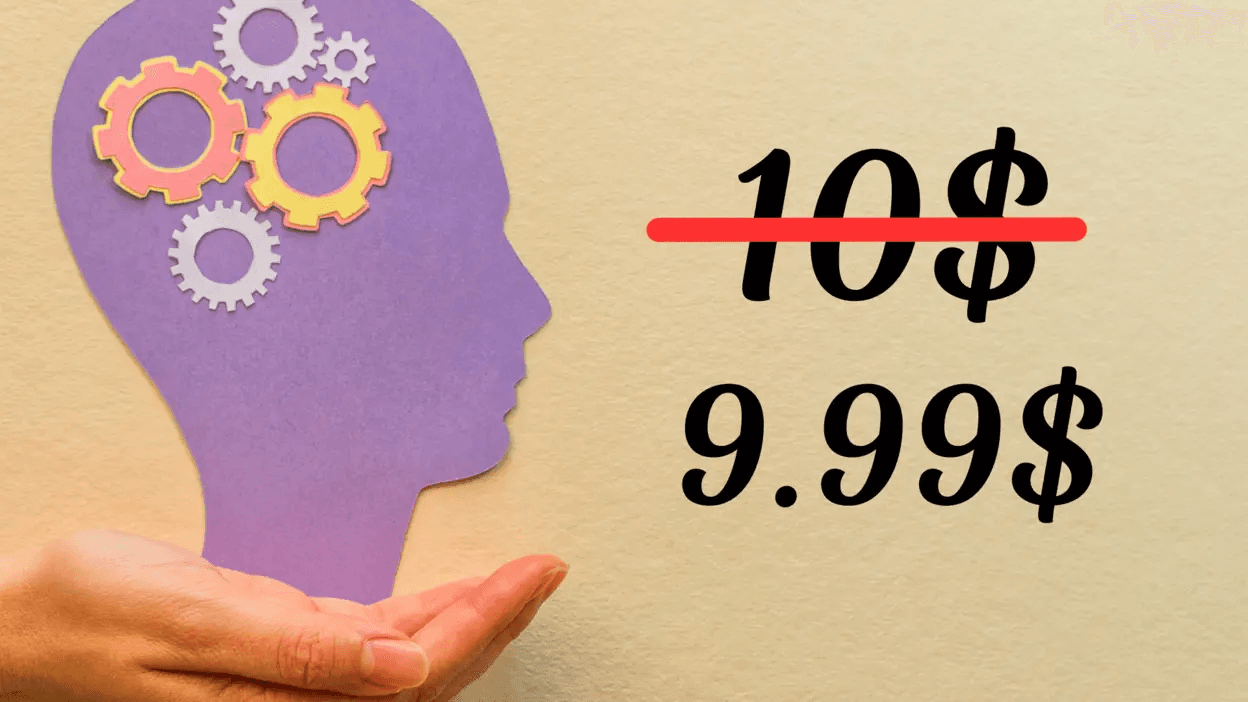
The Difference Between Fear Pricing and System Pricing
To understand the shift clearly, compare the two approaches.
Fear-based pricing
Starts with:
“What will they accept?”
Adjusts based on:
Client reaction
Market pressure
Emotional comfort
Outcome:
Inconsistent income
Low margins
High workload
Unclear value positioning
System-based pricing
Starts with:
“What does this work need to earn for my business to be sustainable?”
Adjusts based on:
Time required
Value delivered
Operating costs
Revenue goals
Positioning
Outcome:
Stable margins
Predictable income
Better clients
Clearer business structure
The difference is not confidence.
It is structure.
How Fear-Based Pricing Spreads Through a Creator Business
Once it starts, it rarely stays isolated.
It spreads.
It affects project selection
Creators begin accepting work they should decline.
Not because it aligns with their goals.
But because it feels safer than waiting.
It affects negotiation
Discounting becomes default.
Not strategic pricing adjustments.
It affects long-term growth
Because pricing determines:
How much time you can reinvest
How many systems you can build
How much financial buffer you have
Low pricing reduces future capacity.
Why Creators Stay Stuck in Fear Pricing
Even when they recognize it, many creators struggle to change.
Three reasons stand out.
1. Lack of financial visibility
If you do not clearly see what you earn, you cannot confidently raise what you charge.
2. No structured pricing framework
Without a system, every new project feels like starting from zero.
3. Emotional attachment to opportunity
Many creators confuse opportunity with acceptance.
So they price low to avoid losing it.
Even when losing it would be financially healthier.
What Structured Pricing Actually Looks Like
Structured pricing is not about charging more.
It is about removing emotion from pricing decisions.
It includes:
Clear baseline rates
Defined cost structures
Minimum viable pricing thresholds
Revenue targets per project type
Profit margin awareness
Time-to-value calculations
When pricing is structured, decisions become easier.
Not because they are less important.
But because they are less emotional.
The Real Shift Creators Need to Make
Moving away from fear-based pricing is not about becoming aggressive.
It is about becoming intentional.
The shift looks like this:
From:
“I hope they accept this.”
To:
“This is what this work costs to sustain my business.”
From:
“Let me reduce my price so I don’t lose the deal.”
To:
“If this doesn’t fit my structure, I move on.”
From:
“What are others charging?”
To:
“What does my business require to grow sustainably?”
Why Pricing Is Actually a Financial System Problem
Most creators think pricing is about negotiation.
It is not.
Pricing is a reflection of your financial system.
If your finances are unclear, pricing will be unclear.
If your revenue is untracked, pricing will be reactive.
If your expenses are invisible, pricing will be arbitrary.
That is why creators often struggle to price consistently.
Not because they do not know their value.
But because they do not have a financial system that supports clarity.
Final Thought
Fear-based pricing is not a flaw in creativity.
It is a symptom of financial uncertainty.
And uncertainty always leads to conservative decisions.
But conservative pricing does not build strong creative businesses.
It builds fragile ones.
Because sustainable creator businesses are not built on what feels safe in the moment.
They are built on what is structurally viable over time.
The moment pricing shifts from emotion to system, everything changes:
Better clients appear
Workload becomes manageable
Income becomes predictable
Growth becomes intentional
And most importantly, the creator stops negotiating against themselves.
That is the real cost of fear-based pricing.
And the real opportunity in fixing it.
Create payment links for your services, products, or support offers and make getting paid as simple as sharing a link.
👉 Start using Endow payment links today
Related Content


