Money Made Simple
Apr 20, 2026
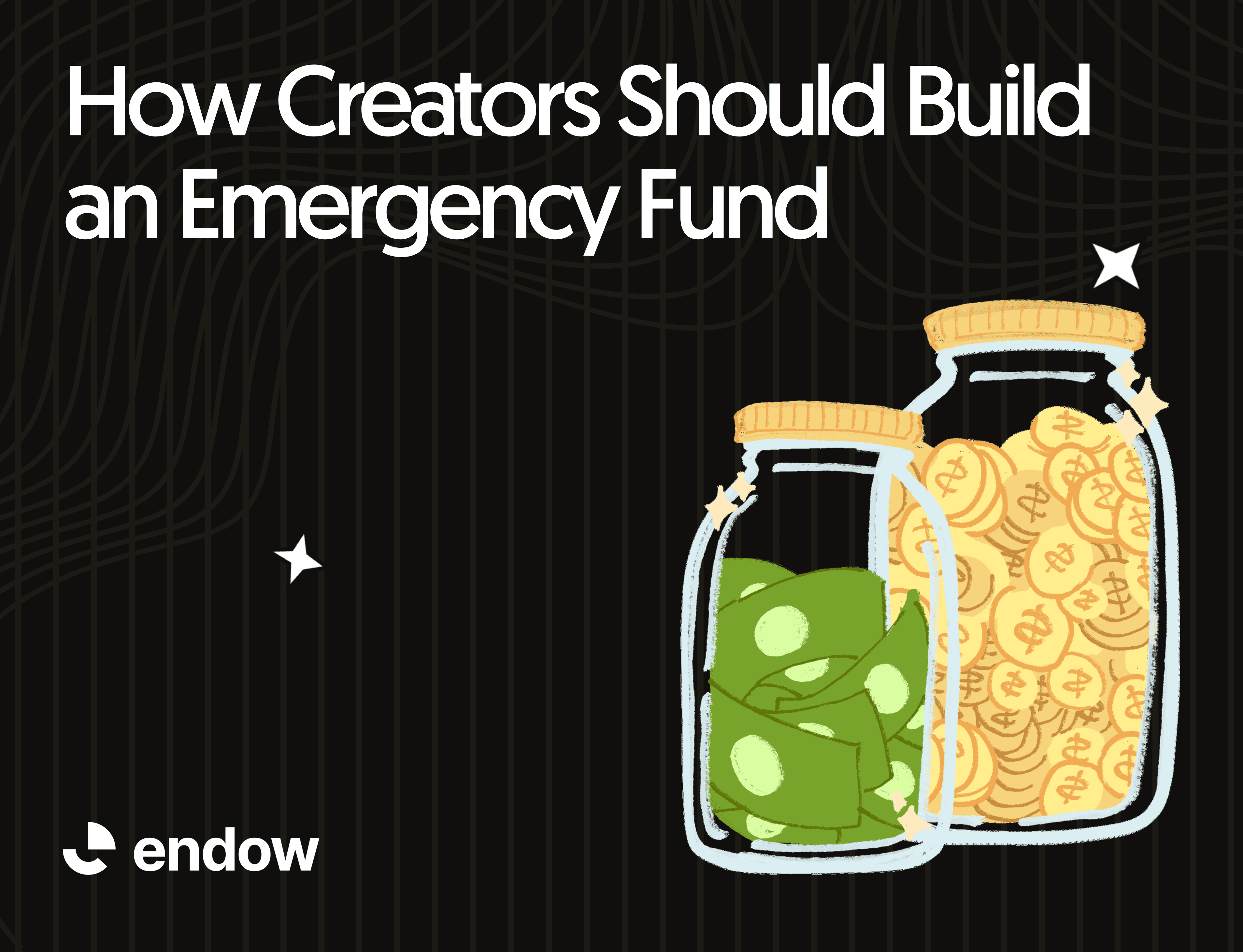
How Creators Should Build an Emergency Fund
Learn how creators should build an emergency fund, how much to save, and why financial reserves are essential for surviving income volatility and building stability.
There is a moment most creators experience that rarely gets talked about publicly.
Everything looks fine on the surface.
Content is going out.
Projects are moving.
Money has been coming in consistently enough.
Then something shifts.
A brand pauses campaigns.
A launch underperforms.
A payment gets delayed.
Platform income drops unexpectedly.
And suddenly, what felt stable starts to feel fragile.
This is one of the hardest financial realities of the creator economy:
Income can look healthy while still being unstable.
This is not because creators are doing something wrong.
It is because creator income is naturally volatile.
Unlike traditional employment, creator revenue is rarely predictable.
Some months outperform expectations.
Others fall short.
Payments arrive irregularly.
Opportunities move in cycles.
Algorithms shift.
Audience behavior changes.
This unpredictability creates one of the biggest financial risks creators face:
Operating without a financial cushion.
This is where emergency funds become essential.
Yet many creators misunderstand what an emergency fund is, how much they actually need, and how to build one without slowing business growth.
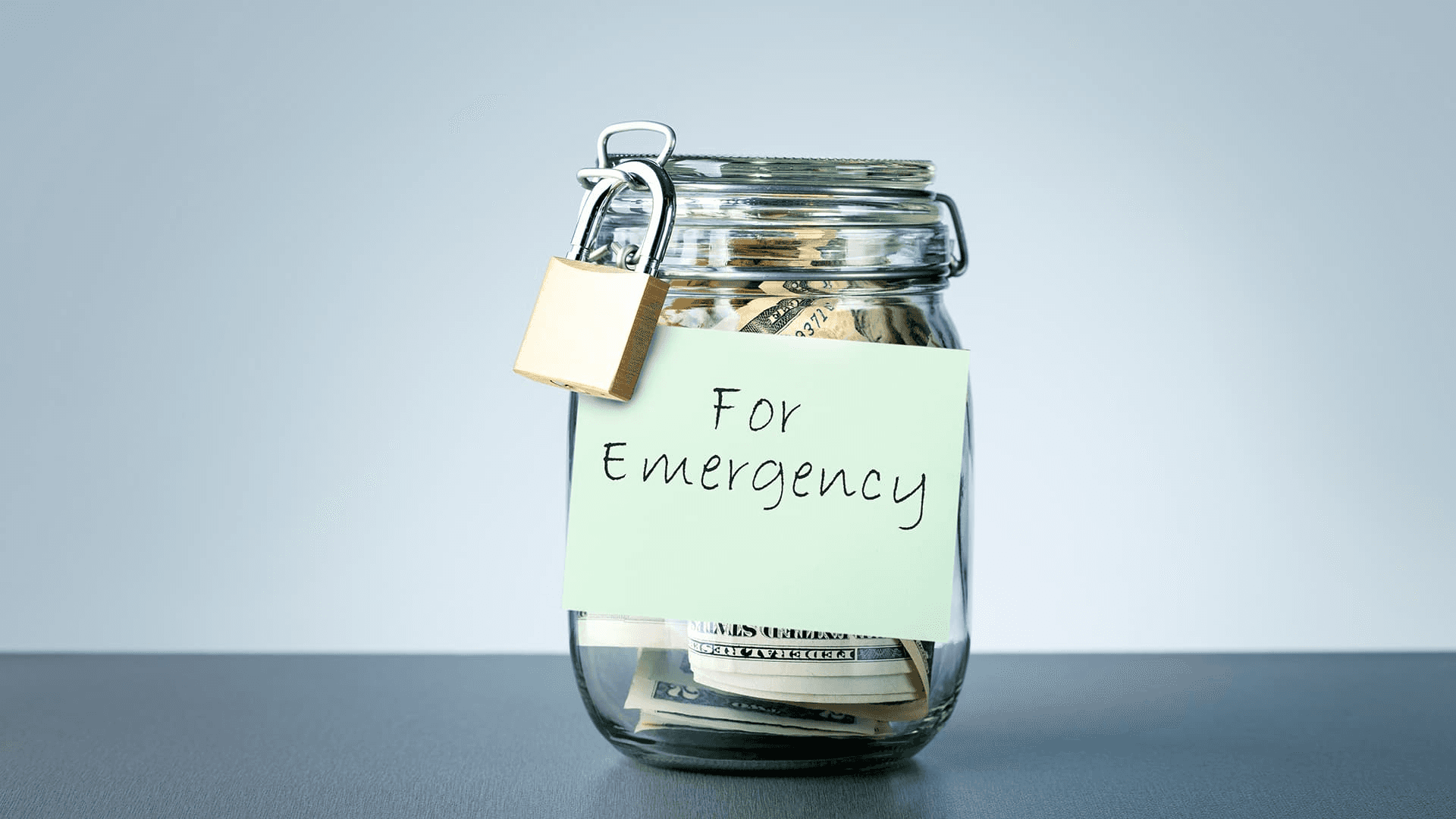
For creators, an emergency fund is not just savings.
It is operational protection.
It is what allows a creator business to survive temporary instability without forcing panic decisions.
It creates breathing room.
And in a business built on unpredictability, breathing room is power.
This article breaks down how creators should think about emergency funds, why they matter more for creator businesses than most realize, and how to build one strategically.

Why Emergency Funds Matter More for Creators
Emergency funds matter for everyone.
But for creators, they matter differently.
Traditional employees usually operate within predictable income systems.
Salaries arrive on schedule.
Budgeting can be built around consistency.
Creator income behaves differently.
A creator can experience:
A record month in March
A weak April
A delayed client payment in May
A major launch in June
Strong affiliate income in July
Unexpected platform decline in August
This irregularity creates financial pressure.
Not because creators cannot earn well.
But because timing becomes unpredictable.
And timing matters.
Bills still arrive.
Subscriptions still renew.
Operational costs continue.
Without reserves, even temporary slowdowns become stressful.
The Hidden Cost of Financial Instability
When creators lack emergency funds, they often make short-term decisions that damage long-term growth.
This includes:
Accepting low-paying projects out of urgency
Discounting services unnecessarily
Launching prematurely just to generate cash
Avoiding strategic investments
Working from financial panic
These decisions often feel rational in the moment.
But they usually come from pressure.
Emergency funds reduce that pressure.
They create optionality.
And optionality is one of the most valuable financial assets a creator can have.
What an Emergency Fund Actually Is
Many creators confuse emergency funds with general savings.
They are not the same.
A general savings account may exist for:
Travel
Equipment upgrades
Courses
Business experiments
Lifestyle goals
An emergency fund serves a different purpose.
It exists for protection.
It is money specifically reserved for unexpected disruption.
Its purpose is not growth.
Its purpose is stability.
What Counts as a Creator Emergency?
This is important.
Not every expense qualifies.
A creator emergency typically includes:
Revenue disruption
Delayed major payments
Unexpected operational expenses
Critical equipment replacement
Temporary platform instability
Urgent personal financial pressure that threatens business continuity
It is not for:
Impulse purchases
Non-essential upgrades
Routine business spending
Optional investments
The distinction matters.
Without clear rules, emergency funds disappear quickly.
Why Most Creators Struggle to Build One
Emergency funds sound simple in theory.
Set money aside.
Leave it untouched.
Use it only when necessary.
In practice, creators struggle for structural reasons.
Income Feels Too Irregular
Many creators think:
“I’ll build an emergency fund when my income becomes more stable.”
This creates a paradox.
The very instability that makes emergency funds necessary becomes the excuse for delaying them.
Emergency funds are not built after stability.
They help create stability.
Growth Often Feels More Urgent
When money comes in, creators often prioritize:
Better tools
New equipment
Courses
Branding
Marketing
These can all be valuable.
But constant reinvestment without reserves creates vulnerability.
Growth without protection is fragile.
Revenue Visibility Is Often Poor
Many creators simply do not know how much they can realistically save.
Because they are not tracking:
Monthly revenue
Recurring expenses
Cash flow trends
Without visibility, saving becomes guesswork.
The First Step: Understand Your Financial Baseline
Before building an emergency fund, you need to know your financial floor.
This means understanding the minimum amount required to keep your business and life functioning.
This includes:
Living expenses
Operational business costs
Software subscriptions
Internet and utilities
Contractor payments
Essential debt obligations
This number is your baseline.
It is the amount your emergency fund exists to protect.
Without it, your target is arbitrary.
How Much Should Creators Save?
There is no universal number.
The right amount depends on income volatility and business complexity.
That said, creators can think in stages.
Stage One: One Month of Baseline Expenses
This is your immediate protection layer.
It covers short-term disruption.
A delayed payment.
A weak revenue month.
Unexpected expenses.
This should be your first milestone.
Stage Two: Three Months
This is where real financial breathing room begins.
Three months allows creators to:
Navigate slower periods calmly
Make strategic decisions
Avoid panic-driven work
This is often the minimum healthy target for active creators.
Stage Three: Six Months
This provides serious resilience.
It creates room for:
Major business pivots
Platform instability
Extended payment delays
Strategic experimentation
For creators with highly irregular income, this is ideal.
How Creators Should Actually Build It
This is where most advice becomes unrealistic.
“Just save more” is not useful.
Emergency funds need systems.
Use Percentage-Based Saving
Instead of saving random amounts, tie savings to income.
For example:
5% of revenue initially
Then increase to:
10%
15%
20%
This allows saving to scale naturally.
During stronger months, reserves grow faster.
During weaker months, the system remains sustainable.
Treat It as a Non-Negotiable Allocation
Many creators save whatever is left.
This rarely works.
Emergency savings should happen before discretionary spending.
It should be part of your financial workflow.
Not an afterthought.
Build It Automatically
Automation removes decision fatigue.
When money arrives, a portion should move immediately into reserves.
The less manual thought required, the more consistent the habit becomes.
The Mental Shift Creators Need
Emergency funds often feel unexciting.
They do not create visible growth.
They do not improve aesthetics.
They do not produce immediate results.
This is why many creators deprioritize them.
But financially mature creators understand something important:
Security compounds.
The ability to stay calm during uncertainty creates better decisions.
Better decisions create stronger businesses.
What Changes Once You Have One
The impact goes beyond money.
Emergency funds change behavior.
You Negotiate Better
Desperation weakens pricing power.
When you need immediate cash, you accept terms you normally would reject.
Reserves create negotiating confidence.
You Think Longer-Term
Without financial pressure, creators can focus on:
System-building
Product quality
Strategic growth
Not survival.
You Recover Faster
Setbacks become manageable.
A slow month becomes inconvenient.
Not catastrophic.
The Role of Revenue Visibility
You cannot build an emergency fund consistently if your money feels invisible.
Creators need clarity around:
How much is coming in
How frequently income arrives
What is recurring
What is volatile
This visibility makes saving intentional.
Without it, reserves stay inconsistent.
Why Emergency Funds Are Really About Control
At its core, an emergency fund is not just money.
It is control.
Control over your decisions.
Control over your timing.
Control over your ability to say no.
In the creator economy, where unpredictability is built into the model, control is one of the most valuable assets you can build.
The Bigger Financial Picture
Emergency funds are the foundation of creator financial maturity.
They often come before:
Hiring
Scaling aggressively
Expanding product lines
Taking bigger strategic risks
Because sustainable growth requires protection.
Too many creators chase expansion before building resilience.
This creates fragile businesses.
Strong creator businesses are not just profitable.
They are shock-resistant.
Final Thought
The creator economy rewards visibility.
But visibility alone does not create financial stability.
Systems do.
An emergency fund is one of the simplest and most powerful systems a creator can build.
It protects your business from volatility.
It reduces pressure.
It improves decisions.
And it creates the space needed to build intentionally.
The creators who last are not always the ones earning the most.
They are often the ones who built enough protection to survive uncertainty.
And in a business built on unpredictability, that protection changes everything.
Financial stability starts with visibility.
Track your income clearly, understand your cash flow, and build stronger financial systems that make emergency planning possible.
👉 Use Endow to monitor your creator revenue and build financial resilience
Related Content