Create Smarter
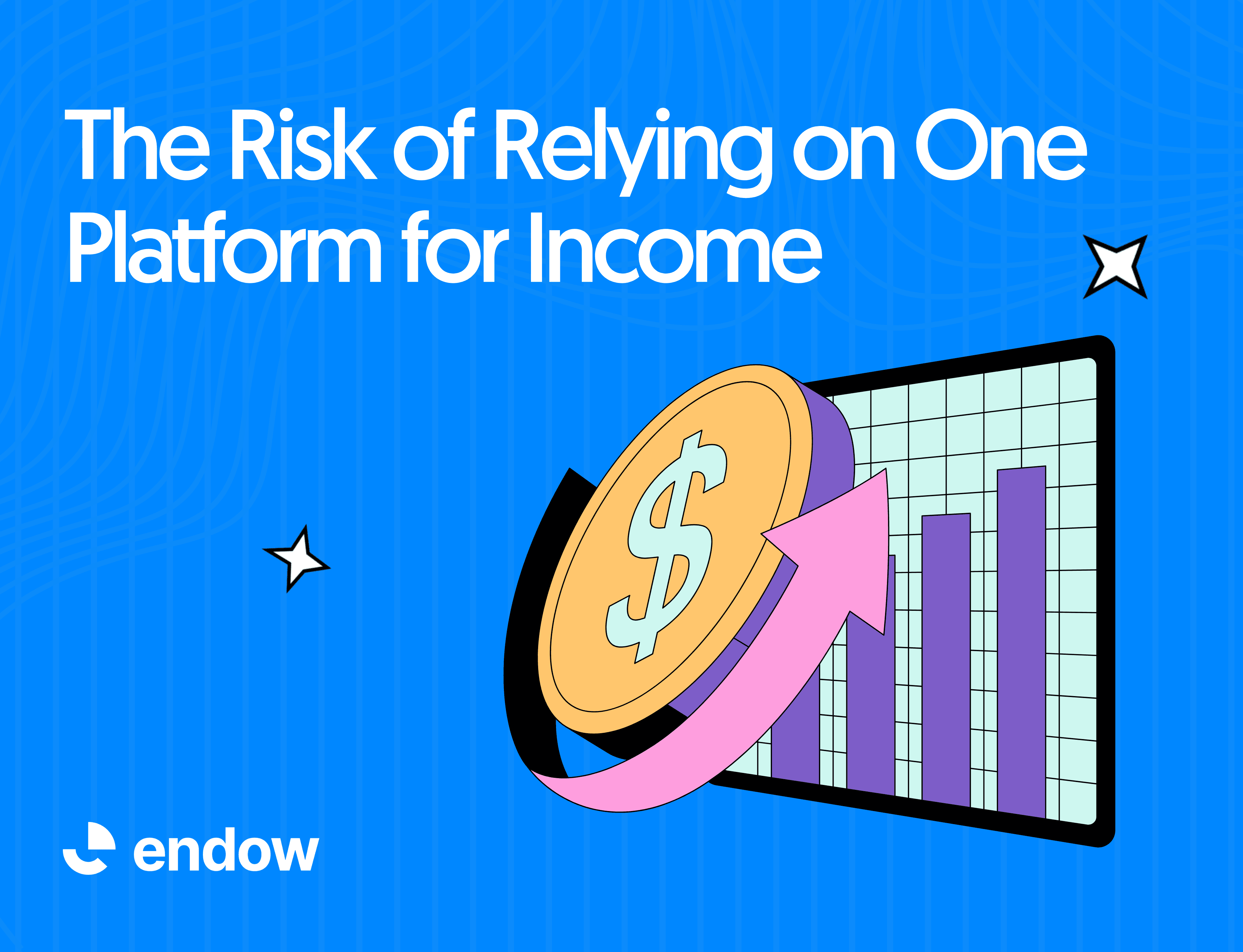
The Risk of Relying on One Platform for Income
Why single-platform success can quietly limit your growth, your stability, and your future. Relying on one platform for income is risky. Learn how platform dependency affects creators and how to build a stable, diversified income system.
There’s a version of the creator journey that feels like everything is working.
You pick a platform.
You understand how it works.
Your content starts performing.
Money begins to come in consistently.
At some point, it clicks.
“This works.”
So you double down.
You optimize your content, your schedule, your strategy, your identity, all around that one platform.
And for a while, it feels like the smartest move you’ve made.
Until something shifts.
Not because you failed.
Not because you stopped working.
But because the system you built your income on changed.
This is the hidden risk of relying on one platform for income. It works well enough to feel stable, but not stable enough to build a future on.
When a Platform Becomes Your Business
Most creators don’t plan to depend on one platform.
It happens gradually.
You start with one channel, maybe TikTok, YouTube, or Instagram. That’s where your audience is. That’s where traction comes from.
Then:
Your audience grows there
Your content performs there
Your revenue comes from there
Over time, that platform stops being just a distribution channel.
It becomes your business.
Your income, your visibility, your audience access, everything flows through it.
And that’s where the risk begins.
Because you don’t own the platform.
The Illusion of Stability
Consistency is one of the most powerful signals in the creator economy.
If you earn regularly from one platform, it feels predictable.
But that predictability is conditional.
It depends on things you don’t control:
Algorithm behavior
Platform priorities
Audience trends
Monetization policies
As long as these factors stay aligned with you, your income feels stable.
But the moment they shift, your results can drop, even if your effort stays the same.
This is the illusion.
You are consistent, but the system isn’t.
The Algorithm Is Not Your Partner
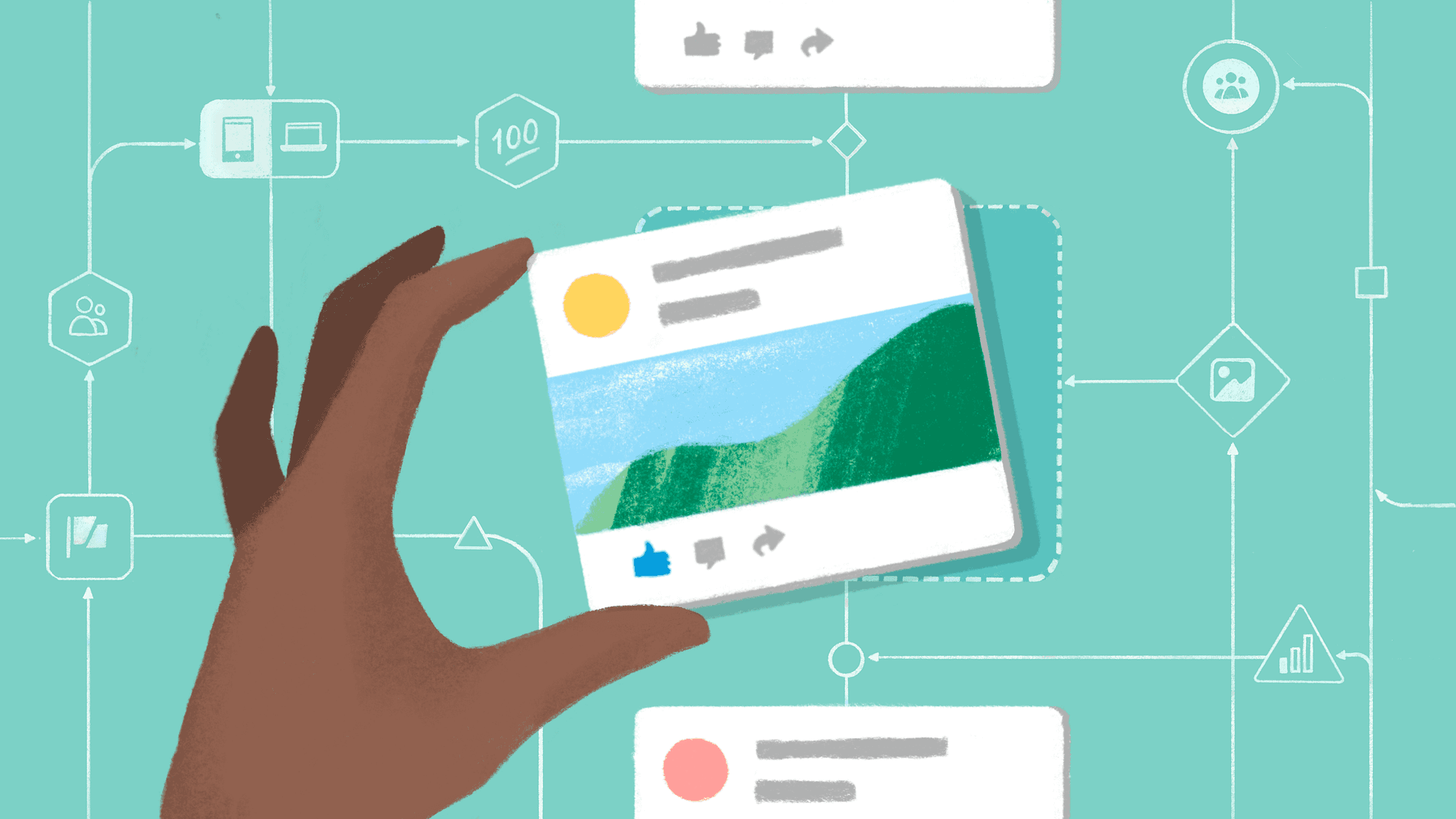
Algorithms are often misunderstood.
They are not designed to support creators.
They are designed to optimize user engagement for the platform.
That means:
Content formats change
Distribution patterns evolve
Engagement signals shift
What worked six months ago may not work today.
And what works today might stop working tomorrow.
What This Looks Like in Practice
You keep posting.
You follow your usual process.
But:
Your reach drops
Your engagement declines
Your growth slows
There is no clear explanation.
No warning.
No control.
And eventually:
👉 Your income follows the same pattern
The Monetization Fragility Problem
Even if your audience stays strong, your income is still exposed.
Because platform monetization is not fixed.
It changes.
Platforms Can Adjust Earnings Anytime
They can:
Reduce ad revenue rates
Change payout structures
Introduce new requirements
Limit monetization eligibility
These changes don’t require your approval.
And they don’t always come with enough notice.
The Result
A creator earning well today can see:
Lower payouts
Inconsistent earnings
Delayed income
Tomorrow.
Not because they lost value.
But because the system changed how it rewards that value.
The Audience You Don’t Own
One of the biggest misconceptions in the creator economy is audience ownership.
It feels like:
“I have an audience of 100,000 people.”
But in reality:
👉 You have access to 100,000 people through a platform
Why This Matters
You cannot directly reach all your followers.
The platform decides:
Who sees your content
When they see it
How often they see it
Even your most loyal audience members might not see your posts.
The Risk
If distribution changes, your access changes.
And if access changes:
👉 Your ability to earn changes
Payment Risk and Operational Uncertainty
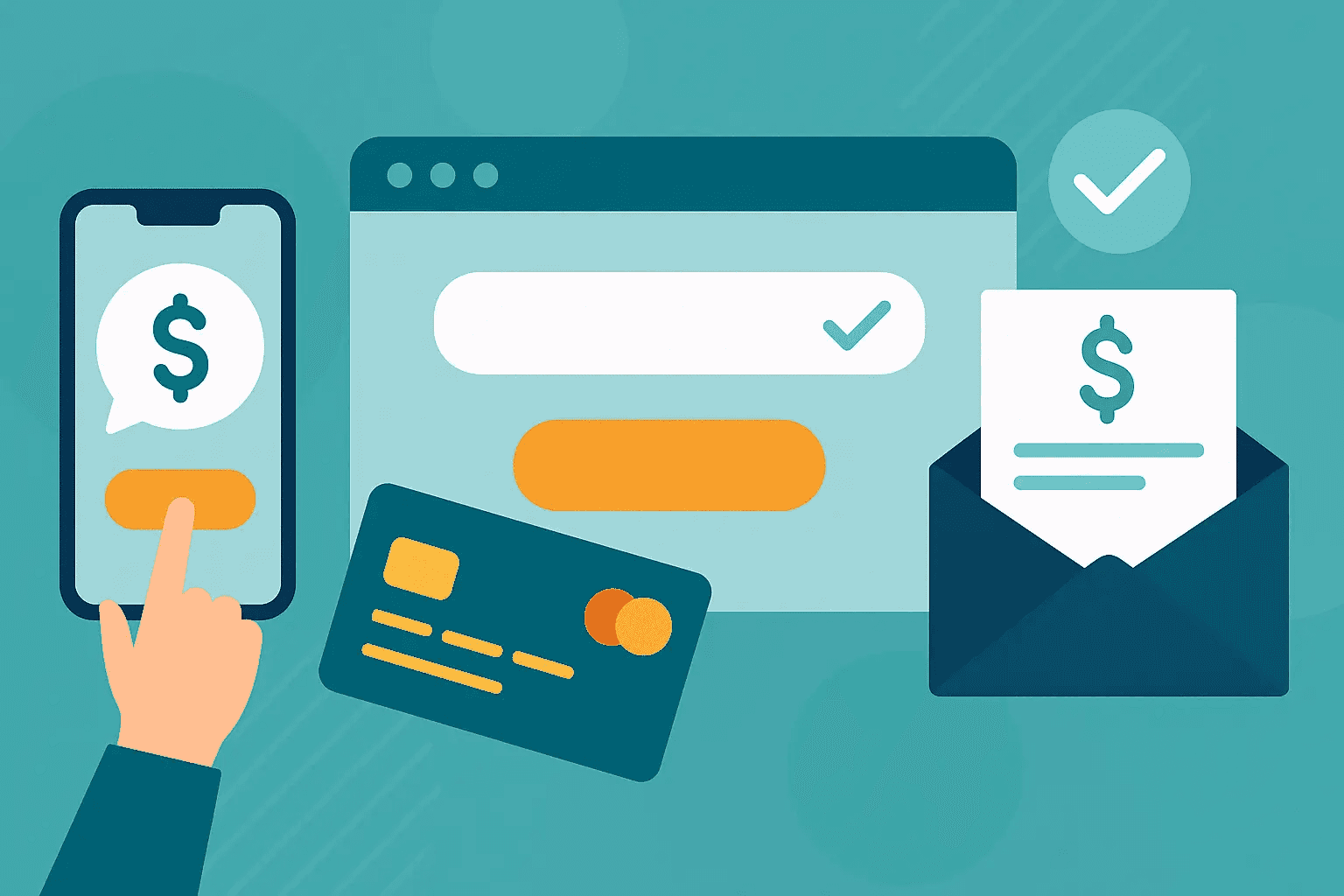
Beyond visibility and reach, there are operational risks most creators ignore until they experience them.
Payment Timelines Are Not Always Predictable
Platforms control:
Payout schedules
Processing timelines
Withdrawal limits
Delays affect your cash flow.
Especially if that platform is your primary income source.
Account Restrictions Can Pause Income
Accounts can be:
Flagged
Reviewed
Temporarily restricted
During this time:
Content visibility drops
Monetization may pause
Even if the issue is resolved later, the impact is immediate.
The Real Cost
Lost income
Lost momentum
Financial pressure
All from a system you don’t control.
The Concentration Problem
In finance, there is a principle called concentration risk.
If most of your income comes from one source, your exposure increases.
The same applies here.
A Simple Breakdown
If:
80% or more of your income comes from one platform
Then:
Any disruption affects most of your financial system
Why This Is Dangerous
You don’t need a full collapse to feel the impact.
Even a small drop in performance can lead to a significant drop in income.
Because everything is tied to one channel.
The Psychological Trap
Platform dependency is not just structural.
It is psychological.
Familiarity Creates Comfort
You know what works.
You understand the system.
So you keep investing more into it.
Expansion Feels Like Risk
Starting somewhere new feels like:
Losing momentum
Dividing attention
Starting from zero
So you delay diversification.
Identity Gets Attached
You begin to define yourself by the platform:
“I’m a YouTuber”
“I’m a TikTok creator”
Instead of:
👉 “I run a creator business”
This subtle shift limits how you think about growth.
Why Being on Multiple Platforms Isn’t Enough
Many creators try to fix this by expanding.
They post on multiple platforms.
But if all your income still depends on platform-controlled systems, the risk remains.
True Diversification Is About Income, Not Just Presence
You need:
Different revenue streams
Different monetization models
Different access points to your audience
Not just more places to post.
The Difference Between Reach and Control
Platforms give you reach.
But reach is temporary.
Control is what creates stability.
What Control Looks Like
Direct monetization
Independent income streams
Clear financial visibility
If one platform slows down, your system still holds.
The Cost of Ignoring This
The biggest loss is not immediate.
It is long-term.
You Delay Building Real Systems
While relying on one platform:
You don’t build alternative income streams
You don’t structure your finances properly
You don’t track income across sources
Recovery Becomes Harder
If something breaks:
You need to rebuild income
Rebuild audience access
Rebuild momentum
And all of that takes time.
Time Without Income Is Pressure
This is where most creators struggle.
Not because they cannot recover.
But because recovery takes longer than expected.
What a More Stable System Looks Like
The goal is not to abandon platforms.
It is to reposition them.
Platforms Become Distribution, Not Dependence
They help you:
Grow visibility
Reach new audiences
Drive traffic
But they are not your only income source.
A Strong Creator System Has Layers
Multiple income streams
Clear financial tracking
Independent monetization channels
Structured money management
This is what reduces risk.
Why This Matters More Now
The creator economy is becoming more competitive.
More creators
More content
More platform changes
Which means:
👉 Stability matters more than ever
The Creators Who Last
The creators who build long-term careers are not just focused on growth.
They focus on structure.
They:
Understand their income sources
Track where money comes from
Build systems beyond platforms
Final Thought
Relying on one platform feels efficient.
Until it becomes limiting.
And then risky.
And eventually unstable.
The goal is not to avoid platforms.
It is to stop depending on one.
Because growth can come from anywhere.
But stability only comes from structure.
Related Content